
Jeffrey G. Ogbar
Hip-Hop Revolution
I think that my Chapter 4, “Gangstas, Militants, Media, and the Contest for Hip-Hop,” provides some new perspective on the intense debates surrounding the culture, and reflects a good part of what the book is about.
As mentioned, I explore many of the arguments used against hip-hop. Unlike many of those who write about the debates, I give voice to the rappers who are often some of the most eloquent critics of their peers who are often charged with bastardizing the art.
For example, groups like Jurassic 5, the Roots or Mos Def have established their own standards for “realness” in hip-hop that veer far from commercial rappers like Lil Wayne, 50 Cent or Young Jeezy. But, the former group happens to offer social commentary as well, speaking out against various forms of oppression, while providing absolutely amazing lyricism and creativity.
Also, this chapter provides a level of demographic analysis not seen on any study of hip-hop. It refutes pervasive myths promulgated by many public intellectuals and cultural critics on various ends of the political spectrum.
Ultimately, this book explores the culture and politics of hip-hop by providing a broad historic context and wide-ranging use of sources and texts. If your favorite rapper has sold anywhere near gold in the last twenty years, chances are I consider his or her impact and contribution to the art. I look at activism, policy, race, gender, class and intellectual engagement in hip-hop. I think that laypeople will be surprised to see exactly how diverse the hip-hop community in the U.S. is.
Moreover, many hip-hop denizens of a divided hip-hop nation may be surprised at the range of expression among artists. Others will be amazed to see how many of the current debates about artistic direction and “authenticity” are identical to those of the Harlem Renaissance in the 1920s. It really offers a broad historical and social exploration of the nexus of generation, gender, class and race in the context of America’s latest truly unique artistic gift to the world.Finally, I think that this book offers a cursory history of African Americans since the Civil Rights and Black Power movements, but exploring the socio-economic landscape, demographic shifts, and debates that have characterized the last forty years, with a particular attention to younger people.
Editor: Erind Pajo
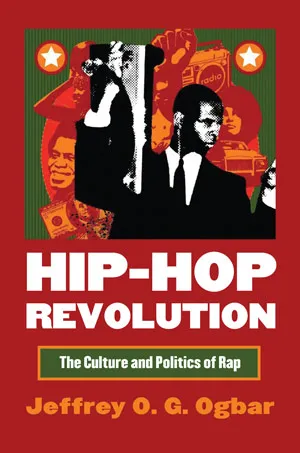
Hip-Hop Revolution
Jeffrey Ogbar Hip-Hop Revolution: The Culture and Politics of Rap University Press of Kansas236 pages, 6 x 9 inches ISBN 978 0700615476ISBN 978 0700616510
Available here →September 30, 2009
20090930-ogbar-jeffrey-hip-hop-revolution-culture-politics-rap-3
A close-up
The rest of this thread
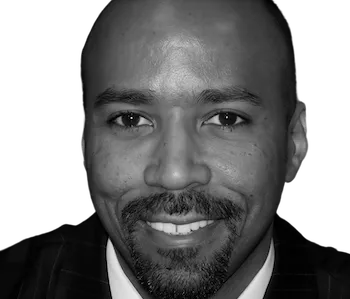
Jeffrey G. Ogbar
Jeffrey O. G. Ogbar, raised in Los Angeles, earned his BA from Morehouse College and Ph.D. from Indiana University. An Associate Professor of History at the University of Connecticut, he is author of Black Power: Radical Politics and African American Identity, recipient of a 2005 Choice Outstanding Academic Title, and Hip-Hop Revolution: The Culture and Politics or Rap, winner of the 2008 W.E.B. Du Bois Book Prize from the North East Black Studies Alliance. He is also Associate Dean for the Humanities in the College of Liberal Arts and Sciences at the University of Connecticut.
Pull this thread
The record refutes the charge that commercial rap damaged the black youth who consume it most.
Know something the rest of us don't?
Most threads on Rorotoko begin with our invitation. Any thread can begin with a proposal: you write it with the same prompts every thread answers, and we review it.
Propose a thread →