
Craig Jeffrey
Timepass
We all wait. Waiting has always been crucial to human activity and is also a distinctive feature of modernity. But what of “chronic waiting”? What of situations in which people wait for years, generations, or whole lifetimes?
Several scholars have argued that such “chronic waiting” is on the rise around the world. Witness the rising prison population, the emergence of large detention centers on the edge of industrial states, and the huge swathes of the world’s population who believe in a vision of “development” but feel that they are waiting for their social and economic dreams to be realized.
My book deals with one such “waiting population,” educated unemployed young men. In telling their story, I’m interested in trying to think about waiting not as a passive activity but as something creative and fertile, something that opens up possibilities even as it creates frustration.
For example, among many unemployed young men in north India a type of loosening of social relationships takes place. Men start to feel a sense of solidarity across lines of caste and religious difference. They start to develop new genres of humor. They begin to spend a great deal of time with another on the street. Social relations begin to change—albeit often only temporarily.
I would like readers of the book to reflect on what other contexts are there in which people wait. Can waiting generate new possibilities for action and experience?
The book’s significance is threefold.
First, it points to the rise and resilience of a middle class in India—not the upper middle class that we read about in the media, but the “real middle class” of people in provincial India who are not poor but who are also excluded from many of the benefits of metropolitan modernity. That is, people with motorcycles but not cars, people who have a certain amount of education but not prestigious qualifications, people who are muddling through but lack secure, lucrative work. These are the people we encounter when we visit India—small hotel owners, taxi drivers, shopkeepers—but they are very rarely the subject of books.
Second the book is a sustained enquiry into young people’s ambitions and actions in modern India. I examine what young men, especially, are thinking, how they are spending their time, and what they do when they find that their first choice of work is impossible to obtain. I try to bring out the humor of these young men: joking, horseplay and banter is a major theme of the book. But I also point to their civility, and the conservative nature of many of their goals: like young men in many other parts of the world, they want to be good citizens and respectable members of local society.
Third, the book is about waiting. I want to suggest that when people are compelled to wait for long periods of time, they inevitably become frustrated. Boredom and aimlessness become central concerns. But also something else starts to happen. People begin to plot new courses of action. In certain circumstances, these waiting populations begin to assemble and collaborate across historical social divides. Far from being a passive activity, waiting can be a seed-bed for new cultural and political projects.
Editor: Erind Pajo

Timepass
Craig Jeffrey Timepass: Youth, Class, and the Politics of Waiting in India Stanford University Press 232 pages ISBN 978 0804770736 ISBN 978 0804770743
Available here →March 23, 2011
20110323-jeffrey-craig-on-timepass-youth-class-politics-waiting-india-3
A close-up
The rest of this thread
Lee Atherton
Craig Jeffrey
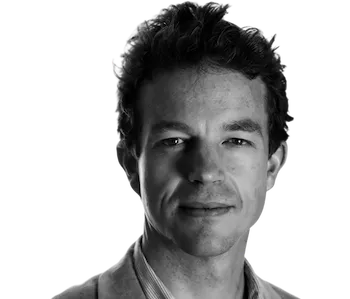
Craig Jeffrey is a University Lecturer at the School of Geography and the Environment in Oxford and Tutorial Fellow at St. John’s College. He was formerly an Associate Professor in International Studies and Geography at the University of Washington. He has conducted academic research on youth, politics, education, and development in north India for the past sixteen years, regularly publishing in journals such as Development and Change, World Development, and Comparative Studies in Society and History. Besides Timepass, featured in his Rorotoko interview, his books include Degrees Without Freedom: Education, Masculinities and Unemployment in North India (Stanford 2008, with Patricia Jeffery and Roger Jeffery), and Telling Young Lives: Portraits of Global Youth (Temple 2008, with Jane Dyson).
Pull this thread
For unemployed educated young men in north India, waiting is a fertile condition that breeds friendships and protest.
Know something the rest of us don't?
Most threads on Rorotoko begin with our invitation. Any thread can begin with a proposal: you write it with the same prompts every thread answers, and we review it.
Propose a thread →