
Richard J. McNally
The standard view of medicine holds that observant clinicians discover diseases in nature. Accordingly, psychiatrists are no different from other doctors. They, too, discern forms of pathology arising from dysfunctions in our universal human nature. Psychiatric experts, relying on clinical observation and research, develop the diagnostic criteria that best describe the disorders they have identified. Mental disorders are diseases of the brain, on a par with diseases of the immune system, circulatory system, and so forth. This view implies that mental disorders are timeless maladies, originating in aberrant biology, that occur across cultures and throughout history. Just as success in chemistry entailed discovery of the elements that constitute the periodic table, success in medicine, including psychiatry, will result in the discovery, description, and explanation of the mental illnesses that afflict humanity. Not everyone buys this line.
Social constructionists hold that cultural factors shape the experience and expression of mental disorders in ways impossible for most diseases. Indeed, cognitive and emotional symptoms are constitutive of mental illness, and cultural factors affect how we think and feel. This implies that at least some disorders may not be ahistorical entities whose essence is invariant irrespective of cultural context. Scrutiny of the connection between culture and mental illness suggests a nuanced version of social constructionism. For some mental disorders, culture barely penetrates the surface, whereas it greatly shapes others and outright creates still others.
Editor: Erind Pajo
November 4, 2011
20111104-mcnally-richard-on-roots-mental-pathologies-1-1
In a nutshell
The rest of this thread
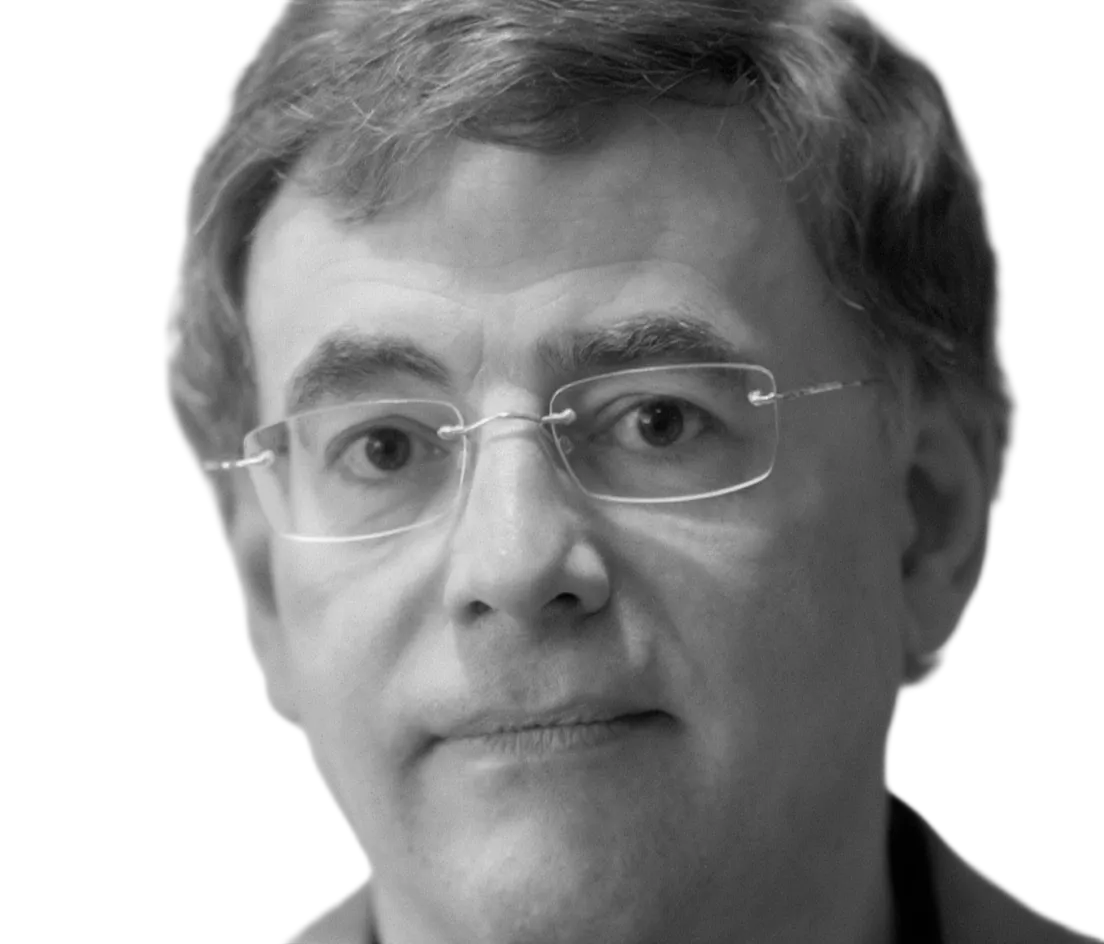
Richard J. McNally
Richard J. McNally is Professor and Director of Clinical Training in the Department of Psychology at Harvard University. Most of his over than 330 publications concern anxiety disorders—posttraumatic stress disorder, panic disorder, phobias, obsessive-compulsive disorder. He is the author of two books, Panic Disorder: A Critical Analysis, Remembering Trauma, and What Is Mental Illness?, featured in his Rorotoko interview. Richard McNally served on the American Psychiatric Association’s DSM-IV PTSD and specific phobia committees, and is an advisor to the DSM-5 Anxiety Disorders Sub-Workgroup. He is on the Institute for Scientific Information’s “Highly Cited” list for psychology and psychiatry, among the top .5% of authors worldwide in citation impact.
Pull this thread
Culture reaches into mental disorders to sharply different depths.
Know something the rest of us don't?
Most threads on Rorotoko begin with our invitation. Any thread can begin with a proposal: you write it with the same prompts every thread answers, and we review it.
Propose a thread →