
Michael S. Roth
Memory, Trauma, and History
I would hope that a casual reader would see the essays on hysteria and photography in the first section, and then the essays on photography and historical consciousness in the second half of the book. These link my concerns with the history of medicine with my interests in contemporary art practice. We make sense of the past in such diverse ways, and my book tries to create a context for these ways of making meaning.At the close of the book’s introduction, I write the following about liberal education:Education should help us have access to moods that open our eyes and ears. Education at its best teaches us to take the world’s sights and sounds to animate our own and perhaps someone else’s imagination. At its best, education develops the capacities for seeing possibilities in the world and for relishing the world around us across borders we might not have dared cross before. Education must lead us beyond these borders if it is to be more than training to assume a position that has already been allocated for us.A reflexive, pragmatic education would enhance our capacities for freedom because it would help us to experience the world and understand ourselves without excessive dependence on unquestioned authority. There is no formula for determining how much dependence is appropriate, just as there are no firm criteria for determining how we should live with the past.The liberal learning I envision helps us live with the past without being dominated by it, while opening the possibility of sharing our lives with others. This is education for freedom, at least the kind of freedom available to us when we acknowledge that we also live with the past.
Editor: Erind Pajo
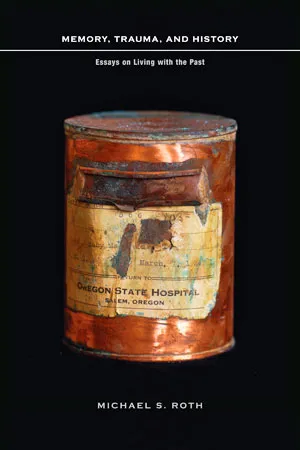
Memory, Trauma, and History
Michael S. Roth Memory, Trauma, and History: Essays on Living with the Past Columbia University Press336 pages, 6 x 9 inches ISBN 978 0231145695
Available here →November 14, 2011
20111114-roth-michael-on-memory-trauma-history-3
A close-up
The rest of this thread
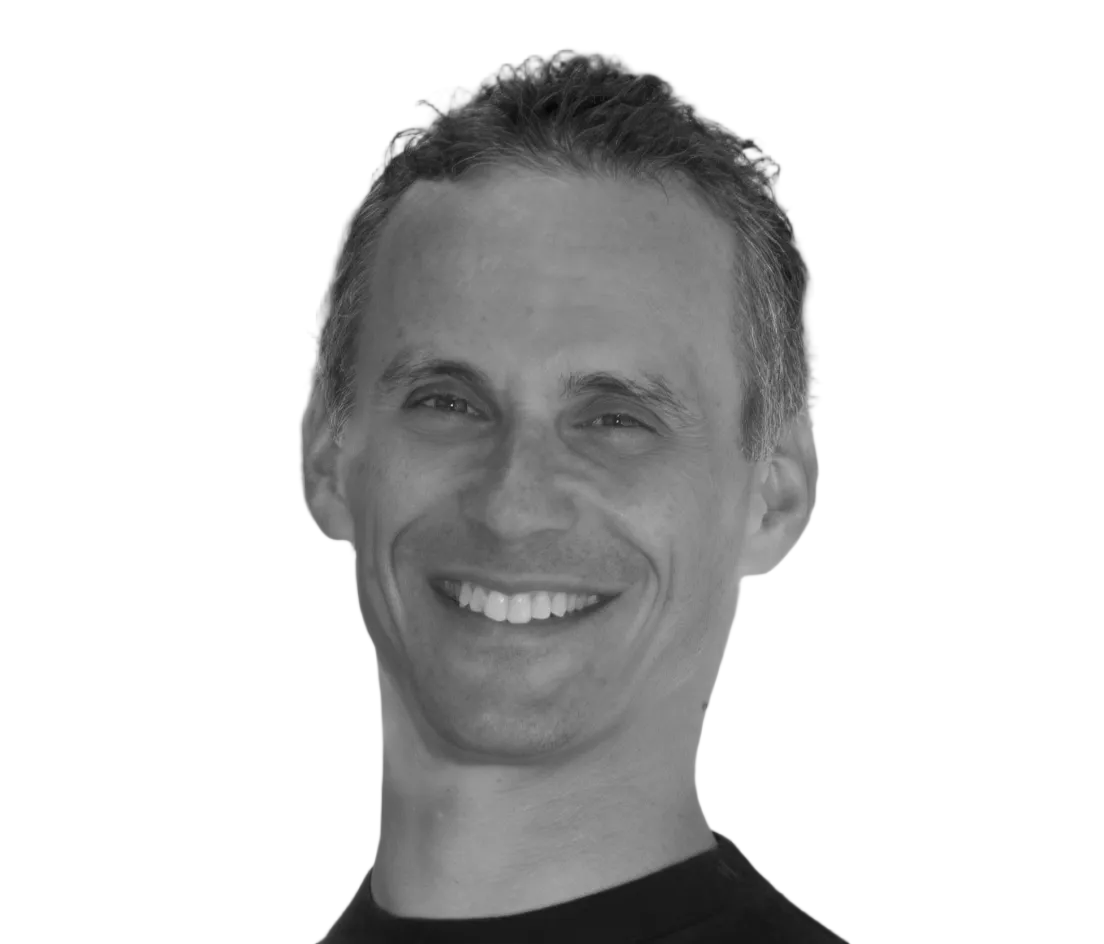
Michael S. Roth
Michael S. Roth is the president of Wesleyan University. He graduated from Wesleyan, received his Ph.D. from Princeton, founded the Scripps College Humanities Institute, directed the Residential Scholars Program at the Getty Research Institute in Los Angeles, and was the president of the California College of the Arts in Oakland and San Francisco. Roth publishes in national newspapers, scholarly journals, and the Huffington Post, and is also a curator, most notably of an exhibition on Sigmund Freud at the Library of Congress. Michael Roth teaches every semester. Memory, Trauma and History, featured in Rorotoko, is his fifth book.
Pull this thread
Education exists to help us live with the past without being dominated by it.
Know something the rest of us don't?
Most threads on Rorotoko begin with our invitation. Any thread can begin with a proposal: you write it with the same prompts every thread answers, and we review it.
Propose a thread →