
Paul Gootenberg
Andean Cocaine
Andean Cocaine is cocaine’s first full-length biography. The book is, I hope, a more “serious” than usual history of the infamous drug, covering more than a century from cocaine’s birth as a coveted medicinal good of the 1860s to its rebirth as the controversial specialty of the Colombian traffickers in the 1970s.
I went for a striking new narrative, based entirely on fresh historical evidence, including specially declassified papers of the United States Drug Enforcement Administration, the DEA. Global in context, Andean Cocaine traces cocaine’s origins back to its historic homeland in the Andes–the tropical zones of eastern Peru–an area which has played an underestimated yet pivotal role in cocaine’s emergence as a modern illicit drug.
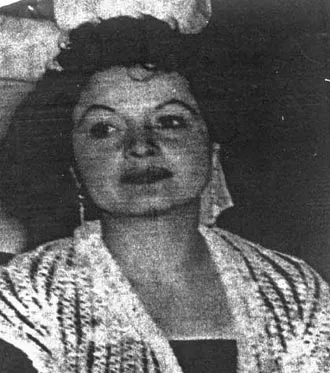
From page 281: Blanca Ibáez de Sánchez, Female Bolivian Drug Trafficker, c.1960. (U.S. National Archives, Record Group 59, Dept. of State, Decimal Files, 411.24342/2-761, “Narcotics Trafficker Blanca Ibáez de SANCHEZ,” 6 April 1961.)
Editor: Erind Pajo
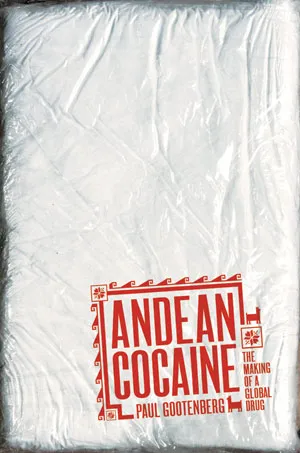
Andean Cocaine
Paul Gootenberg Andean Cocaine: The Making of a Global Drug University of North Carolina Press 448 pages, 9 x 6 inches ISBN 978 0807859056 ISBN 978 0807832295
Available here →June 26, 2009
20090626-gootenberg-paul-andean-cocaine-making-global-drug-1-1
In a nutshell
The rest of this thread
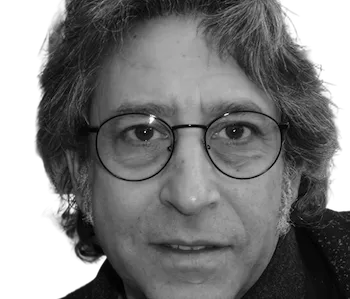
Donna Schneiderman
Paul Gootenberg
Paul Gootenberg, a former Rhodes Scholar with a Ph.D. from the University of Chicago, teaches Latin American history at New York’s public Stony Brook University. He lives in Brooklyn and has two beautiful children. Before turning to the considerably more exciting field of global drug history, he published a number of notable academic books in Andean history, including Between Silver and Guano: Commercial Policy and the State in Postindependence Peru (Princeton, 1989).
Pull this thread
Cocaine was made illegal by politics, not by pharmacology.
Know something the rest of us don't?
Most threads on Rorotoko begin with our invitation. Any thread can begin with a proposal: you write it with the same prompts every thread answers, and we review it.
Propose a thread →