
Monica L. Smith
A Prehistory of Ordinary People
Today, the reading experience has been expanded to different formats and time frames. So I have divided each chapter into smaller sections that make a particular point about some aspect of food, objects, and energy investment.Readers who might have a few minutes at the end of the day can dip into this book at nearly any point and encounter a brief, interesting story about the connection between ancient and modern culture.The themes of the book should enable a reader to make sense of her or his own busy life—there is little about human cognition that is unique to the modern world, and multitasking isn’t a modern curse but something that has been with our species for millennia.People experience the stop-and-start of multitasking at many different levels and scales of time. Cooking and eating are great examples of multitasking as a sequence of changes in activities and ingredients. In cooking, you might change the menu when you find that you don’t have a particular ingredient, or you might change the cooking method for a particular meal when you’ve been interrupted by a phone call or other unexpected event. Time is a particularly flexible component of the culinary repertoire, and its value is elastic: if you’re very short on time, you might not even heat up those leftovers to eat them; if you’re trying to impress a date with your cooking, you’ll take extra time to make sure that it all turns out just right.The long term of a lifespan also is a continual series of changes, new information, and discoveries. In the course of your life, you might have interrupted your college education for family reasons or economic reasons, or even simple lack of interest at the time. After some years in the working world, the opportunity to return to formal education might again come up. But now your choice as to which courses to take would not be the same as that of your younger undergraduate days—your focus now would reflect the goals and experiences that you acquired during your time away from school.A perception of the passage of time isn’t a generic phenomenon but one that is highly individualized. People the world over are not the same from youth to middle age to retirement; they grow, they acquire or lose skills, and they adapt their energy output to their understandings of the value of that investment.Archaeology isn’t just the study of “old things.” Instead, we can view archaeology as the study of humans over the long term and how they modified their landscapes and used objects to convey belief, community, power, and individual achievements.For more than a million years, our ancestors multitasked their way through challenging landscapes and increasingly complex social interactions. We are the inheritors of those cognitive and language capacities today—a fact that is worth celebrating as we each engage with our families, friends, and the world around us.
Editor: Erind Pajo
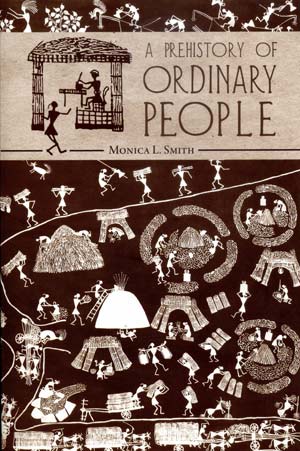
A Prehistory of Ordinary People
Monica L. Smith A Prehistory of Ordinary People University of Arizona Press240 pages, 6 x 9 inches ISBN 978 0816526956
Available here →January 31, 2011
20110131-smith-monica-on-prehistory-ordinary-people-3
A close-up
The rest of this thread
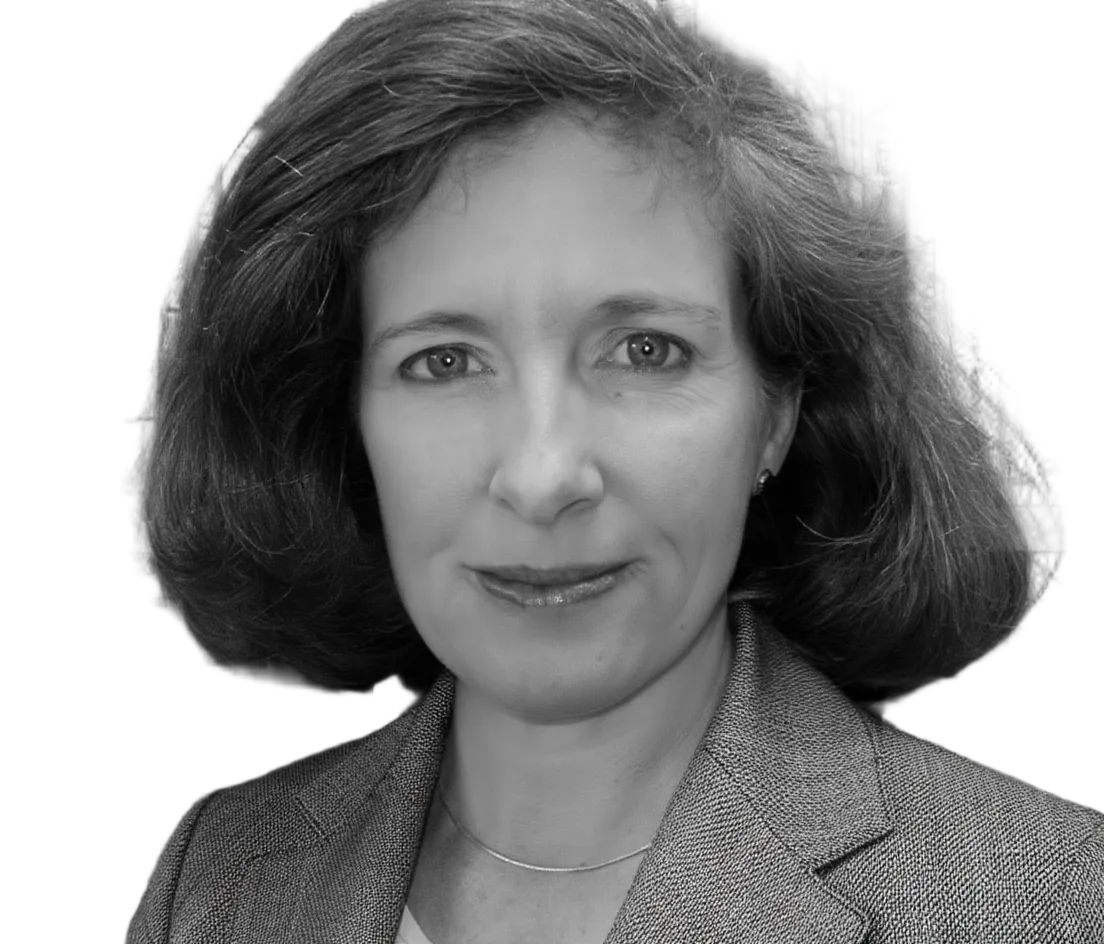
Monica L. Smith
Monica L. Smith is an anthropologist at the University of California, Los Angeles. She conducts research on urbanism and social dynamics through archaeological investigations, and has worked on digs and surveys in Turkey, Tunisia, Egypt, Italy, England, the United States, India, Bangladesh, and Madagascar. Besides A Prehistory of Ordinary People, featured in her Rorotoko interview, she is the editor of The Social Construction of Ancient Cities and author of a number of other books and research articles on ancient civilizations.
Pull this thread
Multitasking is a million-year-old species capacity, not a modern affliction, and monuments were built out of it from below.
Know something the rest of us don't?
Most threads on Rorotoko begin with our invitation. Any thread can begin with a proposal: you write it with the same prompts every thread answers, and we review it.
Propose a thread →