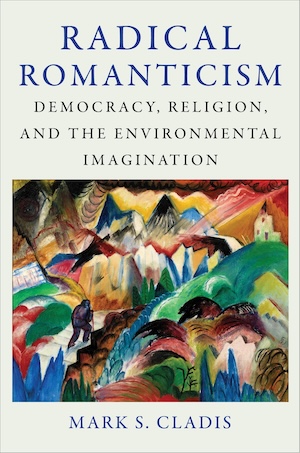
Radical Romanticism emerges from a crossroads: environmental humanities, religious studies, political theory, decolonial thought, and literary studies. While each field provides a distinctive angle of vision, the radical Romantic interpretive framework allows me to weave these perspectives together into a shared way of seeing. At its heart lies a cluster of questions that reach across those disciplines: How do we live in relation—to human and more-than-human beings alike—and how might we do so in ways that honor justice and aim for flourishing? How do traditions shape ethical life and how are traditions themselves transformed? And what happens when the arts and the imagination become a way of paying attention to injustice as well as to beauty?
The book argues that a particular strand of Romanticism—what I call radical Romanticism—offers a language for thinking these questions together. Romanticism is often portrayed as apolitical. But when read alongside environmental justice, Indigenous traditions, feminist and decolonial theory, and critiques of liberal individualism, another Romanticism appears: one responsive to the wounds of empire, extraction, and inequality; one that treats the arts and the moral imagination as civic, ecological, and ethical avenues of insight.
So the “wide angle” is wide indeed: the book speaks to climate collapse, racial and gendered injustice, democratic fragility, and ecological grief. It draws from teachings and practices of reciprocity, land accountability, and collective care—including those of Indigenous traditions that offer living alternatives to extractive ways of life. Across these conversations, the book shows how environmental care entwines with the work of democracy, how religious and spiritual traditions cultivate moral attention, and why we need stories—old and new—to navigate a world marked by crisis, beauty, and interdependence.
As for the path that led me here: my early work on Durkheim trained me to think about community, tradition, and the dangers of “the sovereign self”—concerns that have never left me. Years of teaching on race, gender, and class, along with time spent with Indigenous educators and communities, deepened my understanding of relation and accountability, and attuned me to the enduring afterlives of slavery, dispossession, and colonial violence.
Rousseau introduced Romanticism to me, and his early environmental insights revealed how the domination of people and of the land share the same roots. Justice, ecology, and Romantic imagination began to converge. Then a pivotal turning point came during a research trip to the Southwest with the poet Paul Kane. Two Indigenous educators, Lorrain Fox Davis and Ben Barney taught us about land as storied, community as accountable, and tradition as a living practice. Their teachings changed how I saw Romanticism: art as nurturing critique and a practical relation to land, justice, and community.
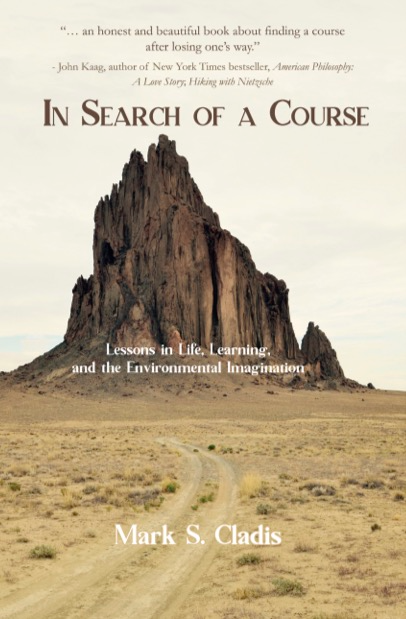
Alongside these influences, I found myself drawn more and more to the poetic, the lyrical, the dramatic—forms that make the world’s beauty and pain palpable in ways analytic argument alone cannot. These experiences are the seeds of Radical Romanticism: a tradition attentive to justice, ecology, and the precarious possibility of shared democratic life.