
The wide angle
February 14, 2026
Opera Wars
I’ve been living with opera since I was fourteen. I trained as a classical vocalist, went to a music conservatory, and was a freelance opera singer for a decade in the United States. Around the same time, I started a small opera company producing shows, and I began writing lyrics and libretti, mostly because I wanted to sing different kinds of characters.
I’ve been knee-deep in the industry for most of my life, even as a child. Later, as paths change, I transitioned more into the research side of things, but I’m still drawn to opera—working conditions, career paths, all the historical baggage. My work as a researcher is framed by my experiences in the industry and driven by a desire to make it more sustainable, to unpack these complexities and try to fix them if we can.
This book is an amalgamation of my experiences. Some parts are almost memoir-esque. I reflect on my own experiences and combine that with original research drawn from data on what companies are programming and why. I also conducted twenty-nine interviews with high-ranking opera insiders. It’s all a combination of that, but with jokes. It’s engaging, funny, irreverent.
There are many books about opera—huge, eight-hundred-page tomes. I have them. I wanted to write something that kicked opera off the pedestal of expectations a bit. The stigma that it’s snobbish, elite, and contained—it’s not. It’s a mess. But if we understand the messiness, we can appreciate it more and be even more in awe that it’s survived for four hundred years and is still alive.
I’m a librettist, so I fully support new works. If you don’t commit to new works, you can’t advance the art form. It’s not just a museum artifact. We see Carmen, Tosca, and La Bohème again and again. Opera has always evolved. It’s only in the last 125 years that it has crystallized around the same works. That’s one of the battlegrounds I talk about—the canon versus new works. How do we have both? Companies need those works to sell tickets.
Curator: Bora Pajo
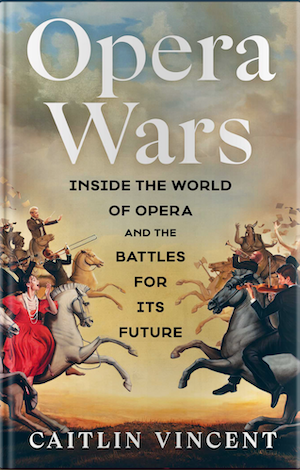
Opera Wars
Vincent, Caitlin. Opera Wars: Inside the World of Opera and the Battles for Its Future. Scribner, 304 pp. ISBN 978-1-66808-406-9.
Get the book →February 14, 2026
20260214-caitlin-vincent-on-opera-wars
The rest of this thread
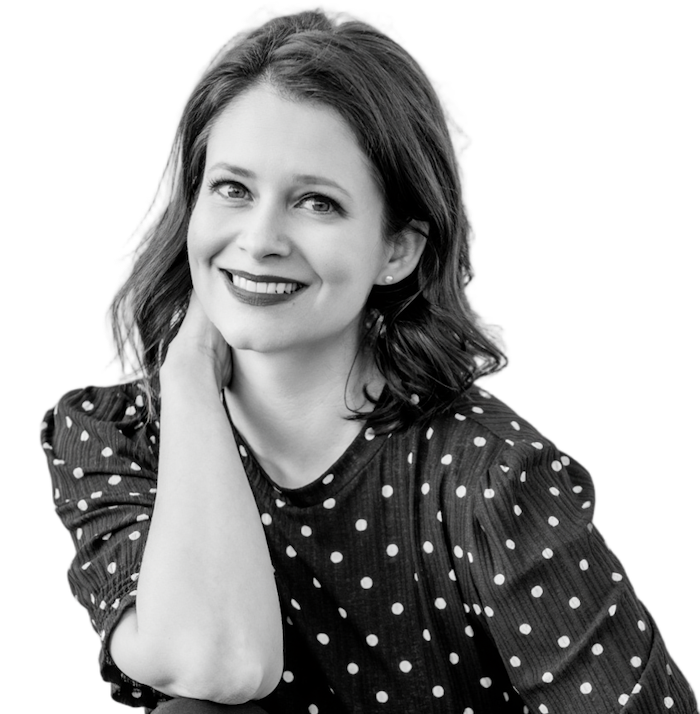
Caitlin Vincent
Dr Caitlin Vincent is an ARC DECRA Fellow and Senior Lecturer in Creative Industries at the University of Melbourne, where she researches cultural labour, opera, and diversity, equity, and inclusion. Dr. Vincent has an extensive publication record across traditional and non-traditional research outputs and has gained international recognition for her expertise in operatic labour markets. Prior to entering academia, Dr. Vincent was a professional opera singer and served as artistic director of an opera company in Baltimore, Maryland. She currently maintains a career as an award-winning opera librettist and lyricist. For more information, click here .
Propose a thread
Know something the rest of us don't?
Most threads on Rorotoko begin with our invitation. Some begin with a proposal. Both use the same prompts and the same editing, with your own pages in the archive. Proposed threads carry a small Sponsored label and a fee.
Propose a thread →