
In a nutshell
March 29, 2026
The Diversity Principle
I used to think that diversity was an idea invented in the 1970s as a justification for affirmative action. Then I began a fifteen year research journey that took me back to nineteenth century Prussia and forward into the empirical studies of diversity science. Along the way I learned about a fascinating group of men and women who developed this idea and drove it forward. They understood, and eventually proved, that when people with different backgrounds and experiences engage deeply with each other they learn more and make better decisions. That’s why it helps to mix together people of different ages, religions, nationalities, races, ethnicities, genders, disabilities, and other catalysts of personal experience. In a science lab they make more significant discoveries. In a business setting they make more money. In government they develop better policies. That old aphorism that great minds think alike is completely wrong; great minds think differently, and when they work together make great decisions and discoveries.
The earliest example of this principle emerged from the founding of the University of Berlin in 1810. It is now regarded as the first modern research university because it was committed to students and faculty engaged in discovery together. The founder, Wilhelm von Humboldt, decided to include Catholics and Jews at the university to promote experiential learning through diversity. Fifty years later in London John Stuart Mill and his partner (and later wife) Harriet Taylor Mill quoted Humboldt on diversity as the starting place for their own ideas about diversity in their great book On Liberty. From the Mills the idea crossed the Atlantic to influence higher education, free speech law, academic freedom, and civil rights law in the United States.
From the courts and higher education the diversity principle spread to the world of commerce as the business case for diversity and then to the science labs of empirical psychology, educational theory, and business theory as scientists tested the idea that diversity helps us make better decisions and found that it does. There are now thousands of studies confirming what Humboldt and the Mills believed based on observation and experience.
But just as diversity has been accepted by scientists, business leaders, and educators, it is under attack by politicians, who claim that it’s an excuse for discrimination against white men. My book ends with an examination of those attacks, and why they miss the mark.
Ongoing thread. More from David B. Oppenheimer to follow.
Curator: Rachel Althof
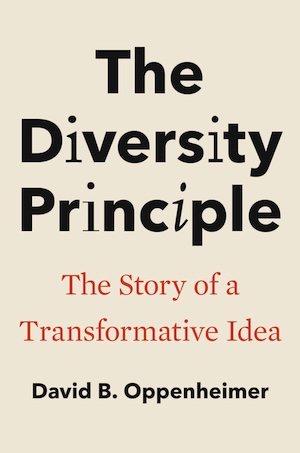
The Diversity Principle
Oppenheimer, David B. The Diversity Principle: The Story of a Transformative Idea. Yale University Press, 2026
Get the book →March 29, 2026
20260329-david-oppenheimer-diversity-principle
The rest of this thread
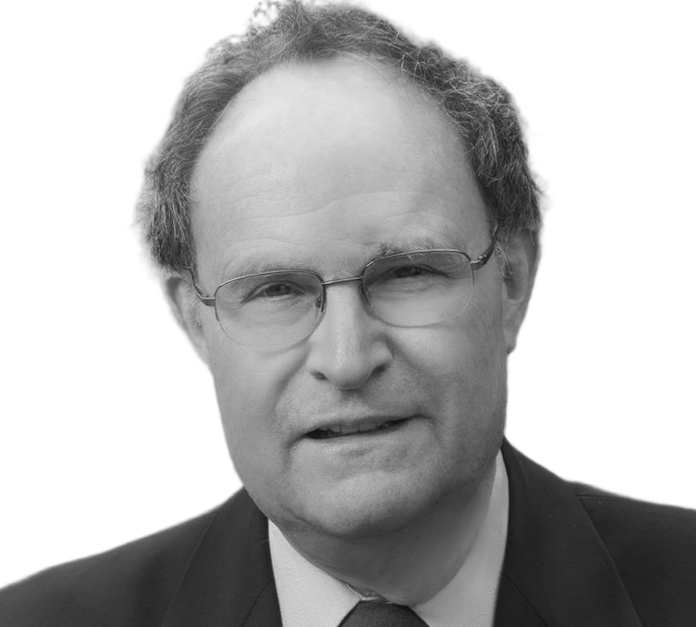
Courtesy of Berkeley Law
David B. Oppenheimer
David B. Oppenheimer is a Clinical Professor of Law at the University of California, Berkeley School of Law, and Co-Director of the Berkeley Center on Comparative Equality and Anti-Discrimination Law. In his clinical and pro bono work he has handled discrimination and harassment cases concerned with race, gender, disability, national origin, ancestry, age, and religion in state and federal courts and before administrative agencies. He and his students have filed amicus curie briefs numerous courts. He is the author or editor of ten books and scores of articles on US and global discrimination law.
Feature your book, your art, your project
Publishing with a small press, or on your own?
A Sponsored Thread runs like every other thread on Rorotoko: three parts on three dates, the same editorial review, your own pages in the archive. Marked Sponsored. $199, paid only once accepted.
Get featured →