
David M. Henkin
Out of the Ballpark: How to Think About Baseball
As the title suggests, Out of the Ballpark is from start to finish a wide-angle project. Although baseball generates such specialized vocabulary, discourse, and knowledge that "inside baseball" has become a figure of speech for exclusive forms of geeky obsession with arcane details, it is actually the broad visibility and resonance of the sport that makes it worth thinking about.
Like so many other aspects of the mass entertainment culture that developed in the nineteenth century and have persisted to this day, baseball is important only because so many people follow it and talk about it. Figuring out how people follow and talk about baseball, and figuring out what they are following and talking about, offers a way into understanding modern life.
I have always been a baseball fan, but thinking about how baseball fits, epitomizes, or defies larger trends in mass culture emerged from my teaching history. In courses about nineteenth-century cities, the history of information, and the history of theater, baseball kept seeming relevant and newly interesting to me. And like most of the subjects of the books I've written, baseball, on closer historical inspection, turned out to be another of the cultural practices that connected strangers to one another in novel and distinctive ways.
Writing this book required bracketing my love for the game in order to make meaning out of it.
Ongoing thread. More from David M. Henkin to follow.
Curator: Bora Pajo
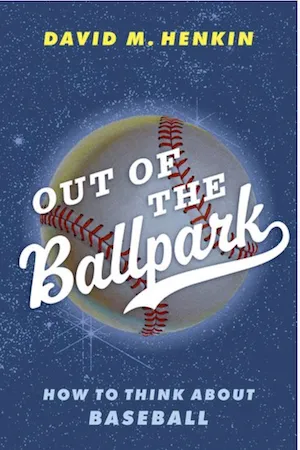
Out of the Ballpark: How to Think About Baseball
Henkin, D. M. (2026). Out of the ballpark: How to think about baseball. Oxford University Press.
Available here →September 2, 2026
20260902-henkin-out-of-the-ballpark-the-wide-angle
The wide angle
The rest of this thread

David M. Henkin
David Henkin is Professor of History at the University of California, Berkeley, where he teaches about the social and cultural history of the United States. He is the author of numerous books, including The Week: A History of the Unnatural Rhythms That Made Us Who We Are.
Pull this thread
Baseball has no inherent character and captures nothing essential about the United States.
Know something the rest of us don't?
Most threads on Rorotoko begin with our invitation. Any thread can begin with a proposal: you write it with the same prompts every thread answers, and we review it.
Propose a thread →