
Hugh B. Urban
Still Seeking the Magic Mushroom: Fungi, Pharmaceuticals, and Mysticism Without Religion
Still Seeking the Magic Mushroom traces the complex history of Psilocybe mushrooms, following their strange journey from traditional rituals in central Mexico to the current explosion of interest in psychedelics that the New York Times has dubbed “the Psychedelic Renaissance.”
The book begins with an overview of the role of psychedelic (and non-psychedelic) mushrooms in Mesoamerica, where they have been used for centuries if not millennia, and then examines their “discovery” by modern anthropologists and journalists in the twentieth century. Perhaps the most important moment in the early interest in Psilocybe mushrooms was the publication of the article “Seeking the Magic Mushroom,” which appeared in Life magazine in 1957. The article’s author was R. Gordon Wasson – a Vice President for Public Relations at J.P. Morgan and an amateur mycologist – who journeyed to southern Mexico and persuaded a Mazatec wise woman to allow him to participate in traditional mushroom ceremonies. The article quickly sparked intense excitement about psychedelic fungi and helped inspire much of the psychedelic revolution of the 1960s and 70s. Unfortunately, the publicity it generated also inspired hordes of journalists, tourists and hippies, who began to descend upon the small Mexican town and largely decimated its indigenous culture and traditions.
Moving decade by decade, the book then traces the popularization and dissemination of Psilocybe mushrooms from the 1950s to the current research that we see in the labs of Johns Hopkins and other universities. Once a relatively obscure mushroom used in private rituals in the mountains of Mexico, Psilocybe is now used widely for treatment of an array of psychological disorders, ranging from depression and anxiety to eating disorders and PTSD. Not surprisingly, Psilocybe has also caught the attention of the pharmaceutical industry, and we now see companies such as Compass Pathways and atai Life Sciences pouring millions of dollars into what they hope may be the next revolutionary class of drugs.
In many ways, I argue, this genus of mushroom represents a kind of microcosm of many different cultural currents of the twentieth and twenty-first centuries. It lies at a critical nexus between the search for transcendence amidst a seemingly rationalized, disenchanted world; the yearning for profound forms of mystical experience outside of traditional religious institutions; the ideal of some return to nature in an age of frightening ecological crisis; the deep faith in science, particularly new fields such as neuroscience, to explain all things; and the seemingly relentless power of capitalism and the pharmaceutical industry to transform everything – including small brown fungi – into profitable commodities. In sum, the book follows the complex journey of these mushrooms from their traditional cultural contexts, to their re-imagining as a form of “mysticism without religion,” to the recent claims by scientists at JHU and NYU to produce mystical experiences in a laboratory setting, and finally to big pharma’s marketing of psilocybin as a drug that could revolutionize the mental health industry.
Ongoing thread. More from Hugh B. Urban to follow.
Curator: Bora Pajo
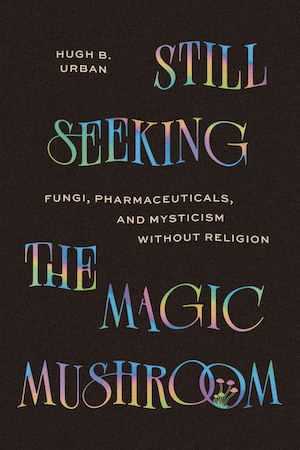
Still Seeking the Magic Mushroom: Fungi, Pharmaceuticals, and Mysticism Without Religion
Urban, H. B. (2026). Still seeking the magic mushroom: Fungi, pharmaceuticals, and mysticism without religion. University of Chicago Press.
Available here →October 30, 2026
20261030-urban-still-seeking-the-magic-mushroom-in-a-nutshell
In a nutshell
The rest of this thread
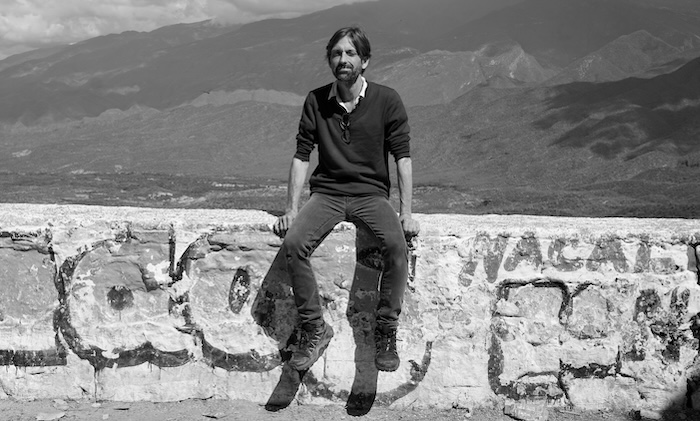
Hugh B. Urban
Hugh B. Urban is an Arts and Sciences Distinguished Professor in the Department of Comparative Studies at the Ohio State University. His work focuses on religions of South Asia and new religious movements in the United States. He is the author of numerous books and articles, including Tantra: Sex, Secrecy, Politics, and Power in the Study of Religion (2003); The Church of Scientology: A History of a New Religion (2011); Secrecy: Silence, Power and Religion (2021); and Still Seeking the Magic Mushroom: Fungi, Pharmaceuticals, and Mysticism without Religion (2026).
Pull this thread
Psilocybin mushrooms have turned from Mazatec ritual into a mysticism without religion and a pharmaceutical commodity.
Know something the rest of us don't?
Most threads on Rorotoko begin with our invitation. Any thread can begin with a proposal: you write it with the same prompts every thread answers, and we review it.
Propose a thread →