
Su Rynard
Understory
From “the great chain of being” to “biological kingdoms,” no matter where you look in Western thinking, hierarchical systems typically put humans, the most special of all species, at the top and plants, inert and dumb, at the very bottom.
It was (and is) thought that intelligence requires brains and nervous systems, with neurons creating connections for consciousness and pathways for thought and memory. And of course only animals have this – not plants, not microbes.
Today there is more and more proof that our definitions of human intelligence and exceptionalism don’t stand up to the realities of many other life forms, including plants.
An expanding, global body of scientific work demonstrates the ability of plants to respond and adapt to stimuli, to alter their behaviour based on past experience, and to communicate with others. What if plants are not passive sources of wood, fibre, and food – but intelligent beings with complex ways of sensing, communicating, and responding to their world?
I am not a scientist, a philosopher, or a great thinker in any way. I am a filmmaker and media artist. Ecology, science, and the human relationship with the natural world have informed and inspired my work for decades, yet I confess until recently, I had never fully viewed plants as my peers. So what do I do with this new-to-me revelation?
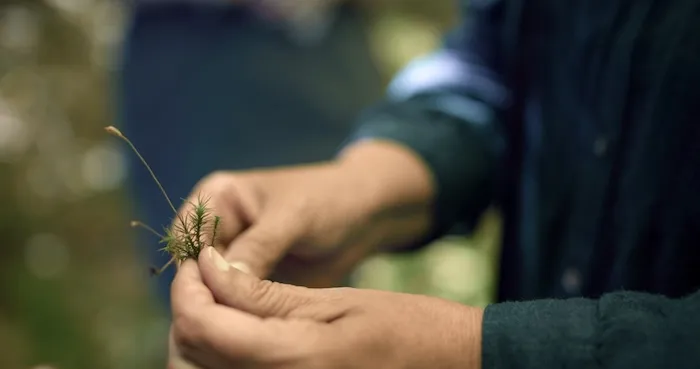
My personal journey in creating the documentary film UNDERSTORY began in the dark days of 2020, when the world was slowed by the global pandemic. I was not looking to make a film – at the time I was far too stressed to conjure the fortitude to string an idea together. But I found the necessary strength in the wilderness and my own backyard, by spending time with plants. I approached this work grounded in the belief that we need to radically rethink the relationship human beings have with nature, and that changing our view of plant life is key.
I took a deep dive into the work of Spanish philosopher and cognitive scientist Paco Calvo, Canadian forester Suzanne Simard, and Indigenous scientist and author Robin Wall Kimmerer. I emerged with a new understanding of how extraordinary plants are – and how essential they are to our survival.
The film UNDERSTORY is a weave of the ideas, experiences, perspectives, and worldviews of these three individuals.
At its heart, UNDERSTORY asks whether plants relate to one another in ways that challenge the hierarchical boundaries we’ve drawn between “us” and the rest of life on Earth. We now live in a moment of flux, when the old framework is failing to explain the reality of our lives, yet no one has agreed on what can replace it. UNDERSTORY aims to contribute to a conversation that is already taking root – between science and story, and between humans and plants – and asks whether changing how we perceive nature could ultimately change how we live within it.
Ongoing thread. More from Su Rynard to follow.
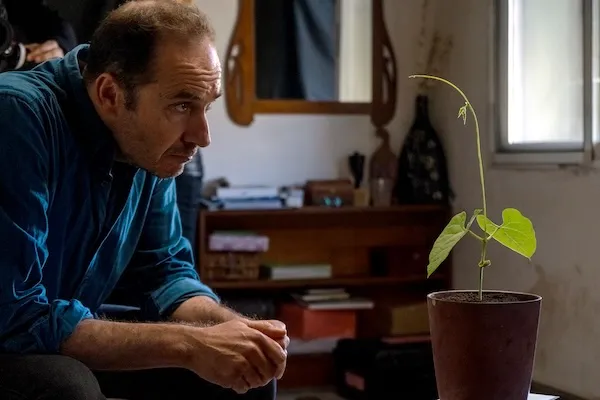
© Jason Milligan
Curator: Bora Pajo
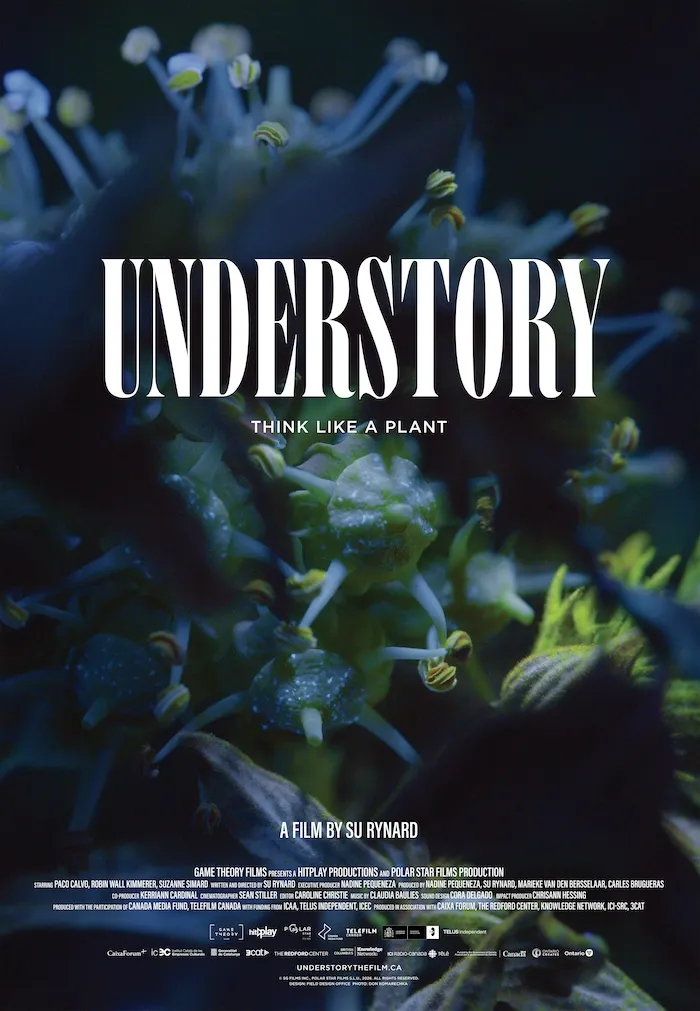
Understory
Available here →November 3, 2026
20261103-rynard-understory-in-a-nutshell
In a nutshell
The rest of this thread
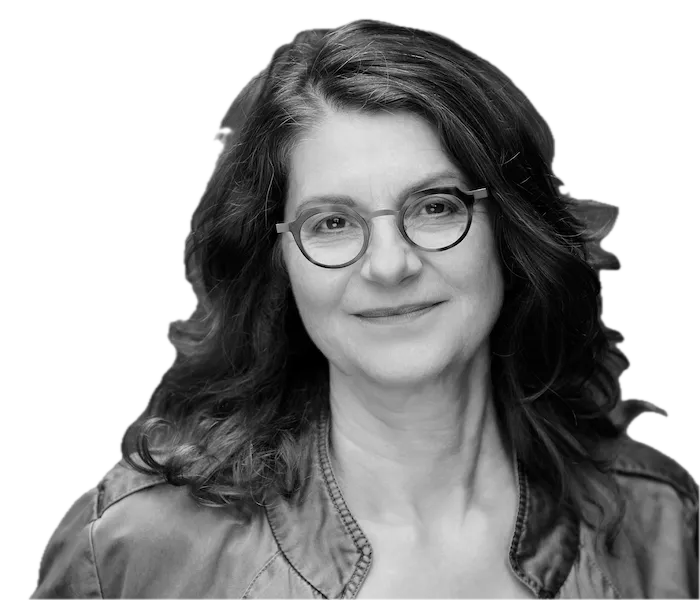
© Guntar Kravis
Su Rynard
Canadian filmmaker Su Rynard makes films about the living world – its networks, its intelligence, and its uncanny connections to our own lives. Her documentaries include Understory (2026), Duet for Solo Piano (2020), and The Messenger (2015), and her fiction feature is Kardia (2005). Her films have screened at TIFF, Rotterdam, Hot Docs, Sarajevo, and RIDM. Awards include the Alfred P. Sloan Feature Film Prize and Prix Buffon from Pariscience. A graduate of OCAD University and former Director Resident at the Canadian Film Centre, Rynard lives and works in Toronto.
Pull this thread
Plants are intelligent beings that sense, remember and communicate, not passive sources of food and fibre.
Know something the rest of us don't?
Most threads on Rorotoko begin with our invitation. Any thread can begin with a proposal: you write it with the same prompts every thread answers, and we review it.
Propose a thread →