
James Dawson
Derek vs Derek
Once the pollinators go, we'll all go with them
There isn't a villain in the film, at any rate not an archetypal one. If there is a villain, it's the agricultural system we've developed over the last 80 years. Enormous damage has been done but I don't think farmers set out to destroy nature - they wanted to tame it, to push it to one side and didn't realize how much harm they were doing. Many must think all these pesticides and herbicides are doing a wonderful job - and in a way they have been - that's the paradox at the heart of the film: we have an abundance of food but the cost has been the destruction of nature.
I think there's a public appetite to get to grips with what has happened to our environment. There’s lots of films about animals and their lives ("oh, look at the cute penguins") but the overall terrible loss of nature is rarely explored. Let's look out of our own windows, and less at exotic things, and see what's happening. Why are there hardly any birds anymore? Why are there so few insects?
I wanted to make a film that didn't blame farmers for doing what our governments had told them to do: grow food and lots of it. That was their mission after the second world war. Now in Britain, and I think in America too, most farmers are struggling. They're price takers, not price givers, and their profit margins have shrunk to slim margins. They don't have much power.

Well intentioned reforms of the UK’s agriculture subsidy system mean farmers can now get support to plant woodland pasture, cover crops, and run wildlife schemes etc. But they have been poorly implemented and inadequately funded. Poorer farmers who’re not nimble on their feet and fail to navigate the complicated subsidy system may go under. This is a failure of policy and needs to be changed before it’s too late and there is a disaster. Their farms will probably be swallowed up by big Agri businesses, and I fear the consequences of that.

Like the oil companies who tried to undermine the clear evidence around climate change that had been stacking up for decades, my fear is big Agri business may also not be interested in restoring nature particularly if it means not using so many pesticides, herbicides and fertilizers - all of which threatened their profits. My deeper fear, for all of us, is that if we don’t stop the loss of insect numbers we'll bring on ecosystem collapse that we won’t be able to row back on, and once the pollinators go, we'll all go with them. The evidence for insect loss around the globe is genuinely shocking. I hope the film makes that clear.
Ongoing thread. More from James Dawson to follow.

Derek Banbury feeding his calves. © James Dawson
Curator: Bora Pajo
Derek vs Derek
Available here →November 4, 2026
20261104-dawson-derek-vs-derek-in-a-nutshell
In a nutshell
The rest of this thread
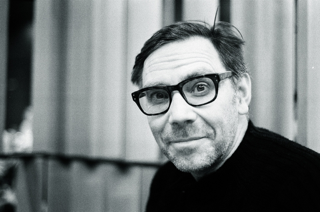
James Dawson
James Dawson – director. An experienced television documentary director with BAFTA award-winning series under his belt he has since moved into directing independent feature documentaries. The first - ‘Organ Stops: Saving the King of Instruments’ – was begun in 2018 and is about the plight of pipe organs in the UK. The film follows obsessive enthusiasts who scour the country spotting and saving precious pipe organs from churches that are closing, before the bulldozers move in. Shown at film and music festivals in US and UK, the film was eventually bought and screened by the BBC on Christmas Eve 2023.
Production of his latest film Derek vs Derek started in 2022 and has been completed in January 2026.
Pull this thread
The villain of nature's collapse is the farming system governments built, not the farmers who run it.
Know something the rest of us don't?
Most threads on Rorotoko begin with our invitation. Any thread can begin with a proposal: you write it with the same prompts every thread answers, and we review it.
Propose a thread →