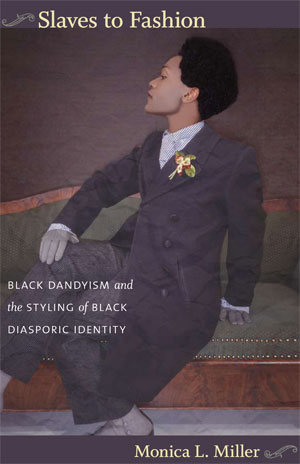
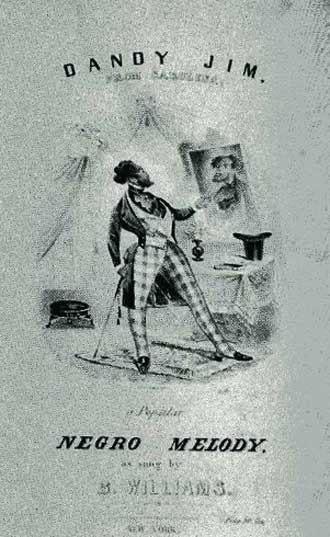
Slaves to Fashion is a cultural history of the politics of black fashion and dress since the creation of the black diaspora, from the slave trade to the present. Dress has been (and continues to be) one of the most important ways in which we project a sense of self, a class status, and a place on the spectrum of gender identities, sexuality and nationality. This has been the case especially for black people who—though materially deprived in the West throughout history—have made the presentation of their bodies (hair, dress, gesture) a key component and signal of their self-definition and political, social and cultural possibility.Slaves were dressed by their masters; clothing was used to define black people as subservient. Almost as soon as a slave was issued a piece of clothing, he or she understood that the garment served not only to protect him or her from the elements, but was also part of a power struggle over black identity. Refusing to be defined by others, blacks have countered their representation sartorially, by pointedly playing with their clothing, manipulating it to better express the complexity of who they are.By examining cultural moments and artifacts that highlight the ability of dress, especially fancy dress, to both dictate and define identity, my book examines this power struggle between masters and slaves, free blacks and whites, upper and working class blacks at key moments and locations in black diasporic history. I look at the ways in which black people, once slaves to fashion, have made fashion their slave.