
Nicole Howard
Loath to Print
On page 61 of the book, I quote the great astronomer Johannes Kepler, who offers “Advice for Idiots” who might attempt to read his book. His tone is sharp and his intention clear:But whoever is too stupid to understand astronomical science, or too weak to believe Copernicus without affecting his faith, I would advise him that, having dismissed astronomical studies and having damned whatever philosophical opinions he pleases, he mind his own business and betake himself home to scratch in his own dirt patch, abandoning this wandering about the world.
Comments like this were made by numerous scholars across scientific fields, and I offer several examples in addition to Kepler’s opinions. The candidness of many authors is astonishing, going beyond mere rhetoric to display a fierce disdain for the lazy or unlearned reader. These sentiments are important not just because they reveal prevailing attitudes of the early modern period, but also because they sound familiar to us today. We live in a time when the gap between the scientific community and the lay public has widened to a remarkable—and at times problematic—extent. The book may not offer solutions to this problem, but like a good history it serves to remind us that our concerns about publishing are not altogether new. The book provides important context for understanding the gap between scientists and the public and reminds us of the responsibilities that lie with both the producers and consumers of scientific knowledge.
What are your thoughts/wishes with regard to the book’s implications or consequences?
I hope that the book stimulates thinking about two distinct but related issues concerning the publication of scientific work. One is the technological aspect of knowledge sharing. It is vital to consider the ways that technologies—in this case the printing press—affect what we know and how we know it. The printing press has long been considered a momentous innovation, celebrated in most quarters (except, perhaps, the 16th century Vatican), and rightly so. But it was also greeted by many with skepticism. Within the community of scientists, philosophers, and physicians, we see nuanced arguments being articulated against publishing one’s work. To be in print was not necessarily desirable. The technology of the press, however helpful in some regards, created the possibility of new audiences, new interpretations, and new conflicts.
The second level about which I hope readers think is the sociological. The book offers case studies of the culture of scientific communication and explores values and attitudes within the community of scientists. My hope is that readers get a glimpse of how scientists were thinking about their own work in this period, and the ways they imagined that work being received. There is, of course, a subjective component to knowledge production, and it is fascinating to see how astronomers or chemists or physicians worked to influence the reception of new ideas. Certainly, the printing press removed a significant amount of control, in terms of audience selection. But scientists responded with creative new ways to direct their work into the hands of readers they sought, and keep it away from those readers they felt incapable (or unwilling) to read it properly.
The book, then, tells us as much about the intellectual and epistemological goals of authors as it does about the perils of printing. It reveals an aspect of scientific work that has not gotten much attention, while also reminding us that there is a long backstory to the current tensions between science and the public.I hope that the book stimulates thinking about two distinctbut related issues concerning the publication of scientific work. One is thetechnological aspect of knowledge sharing. It is vital to consider the waysthat technologies—in this case the printing press—affect what we know and howwe know it. The printing press has long been considered a momentous innovation,celebrated in most quarters (except, perhaps, the 16th century Vatican), andrightly so. But it was also greeted by many with skepticism. Within thecommunity of scientists, philosophers, and physicians, we see nuanced argumentsbeing articulated against publishing one’s work. To be in print was notnecessarily desirable. The technology of the press, however helpful in someregards, created the possibility of new audiences, new interpretations, and newconflicts.
The second level about which I hope readers think is thesociological. The book offers case studies of the culture of scientificcommunication and explores values and attitudes within the community ofscientists. My hope is that readers get a glimpse of how scientists werethinking about their own work in this period, and the ways they imagined thatwork being received. There is, of course, a subjective component to knowledgeproduction, and it is fascinating to see how astronomers or chemists orphysicians worked to influence the reception of new ideas. Certainly, theprinting press removed a significant amount of control, in terms of audienceselection. But scientists responded with creative new ways to direct their workinto the hands of readers they sought, and keep it away from those readers theyfelt incapable (or unwilling) to read it properly. The book, then, tells us as much about the intellectual andepistemological goals of authors as it does about the perils of printing. Itreveals an aspect of scientific work that has not gotten much attention, whilealso reminding us that there is a long backstory to the current tensionsbetween science and the public.
Editor: Judi Pajo

Loath to Print
Nicole Howard Loath to Print: The Reluctant Scientific Author, 1500–1750 Johns Hopkins University Press 232 pages, 6 x 9 inches ISBN 9781421443683
Available here →July 19, 2023
20230719-howard-nicole-on-book-loath-to-print-reluctant-scientific-author-1500-1750-3-1
A close-up
The rest of this thread
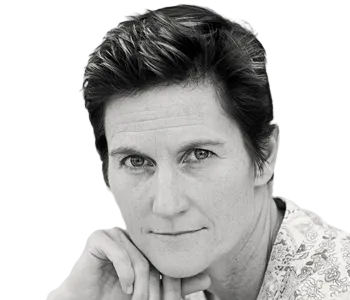
Nicole Howard
Nicole Howard, a professor of history at Eastern Oregon University, received her Ph.D. in the History and Philosophy of Science from Indiana University. Her work examines the relationship between print culture and Renaissance science. Dr. Howard’s first book was The Book: The Life Story of a Technology, a brief history of books in western culture. A sabbatical five years ago gave her time to develop her ideas around scientific communication in the 16th and 17th centuries, and that research gave rise to her most recent book, Loath to Print.
Pull this thread
The astronomers, physicians and natural philosophers producing new science were reluctant to broadcast it in print.
Know something the rest of us don't?
Most threads on Rorotoko begin with our invitation. Any thread can begin with a proposal: you write it with the same prompts every thread answers, and we review it.
Propose a thread →