
Kenneth L. Feder
Native America
Reading a non-fiction book can be like taking a journey through time and across space. The author is your tour guide. In Native America: The Story of the First Peoples, I guide the reader on an excursion through deep time and across the vast expanse of an entire continent, visiting the history of the Indigenous People who lived and continue to live here. Aided by metaphorical maps provided by archaeology, documentary history, and oral histories passed down by those Indigenous people, I help the reader navigate that story. A major theme underpinning this journey is that we are not visiting an extinct people. My book isn’t a history of antique or marginal folks, or people who represent a side branch of the human story. Instead, we will encounter the remarkable legacy of a people who entered a literal “new world” more than 20,000 years ago, and who ingeniously and successfully crafted adaptations to the reigning Pleistocene or “Ice Age” environment characterized by enormous beasts like mammoths, mastodons, giant ground sloths, and extinct forms of bison that make their modern cousins seem puny (Chapter 5 and 6). These same folks continuously and creatively adjusted their strategies for survival as the Pleistocene waned and modern climatic conditions became established over the course of a few thousand years.
Literally hundreds of unique post-Pleistocene native cultures developed, each with its own distinct lifeway, in a continent characterized by enormous environmental diversity. That diversity included deserts and semi-deserts in the Southwest, Arctic tundra in the far north, rich and deep woodlands in the East, near tropical conditions in the Southeast, vast prairies teeming with bison in the north-central plains, and enormously rich maritime habitats along its western and eastern shores (Chapter 8). The stories we encounter as we travel through time in Native America have not been memorialized through written words pressed into clay, hieroglyphs painted onto sheets of papyrus, or stories inked by monks onto parchment. Instead, much of the story of Native America was written in the language of archaeology in the form of exquisitely crafted stone tools (Chapter 3); massive apartment houses and breathtakingly beautiful adobe castles in cliffs; (Chapter 14); monumental burial mounds, flat-topped pyramids, and earth sculpted into the form of massive bears, raptors, and even a snake (Chapter 12 and 13); marvelous works of art etched and painted onto sandstone cliffs and volcanic boulders (Chapter 16); and in histories passed down from grandparents to grandchildren, and from those grandchildren to grandchildren of their own (Chapter 2). These are the sources of Native history upon which I rely in our journey through time. Switching metaphors here, the crucial truth to take away from my book is that the history of Native America is not a prologue, post-script, or a marginal note in the epic saga of humanity. Instead, it contributes its own remarkable and distinct chapter. I attempt to present that chapter of the human story in Native America: The Story of the First Peoples.
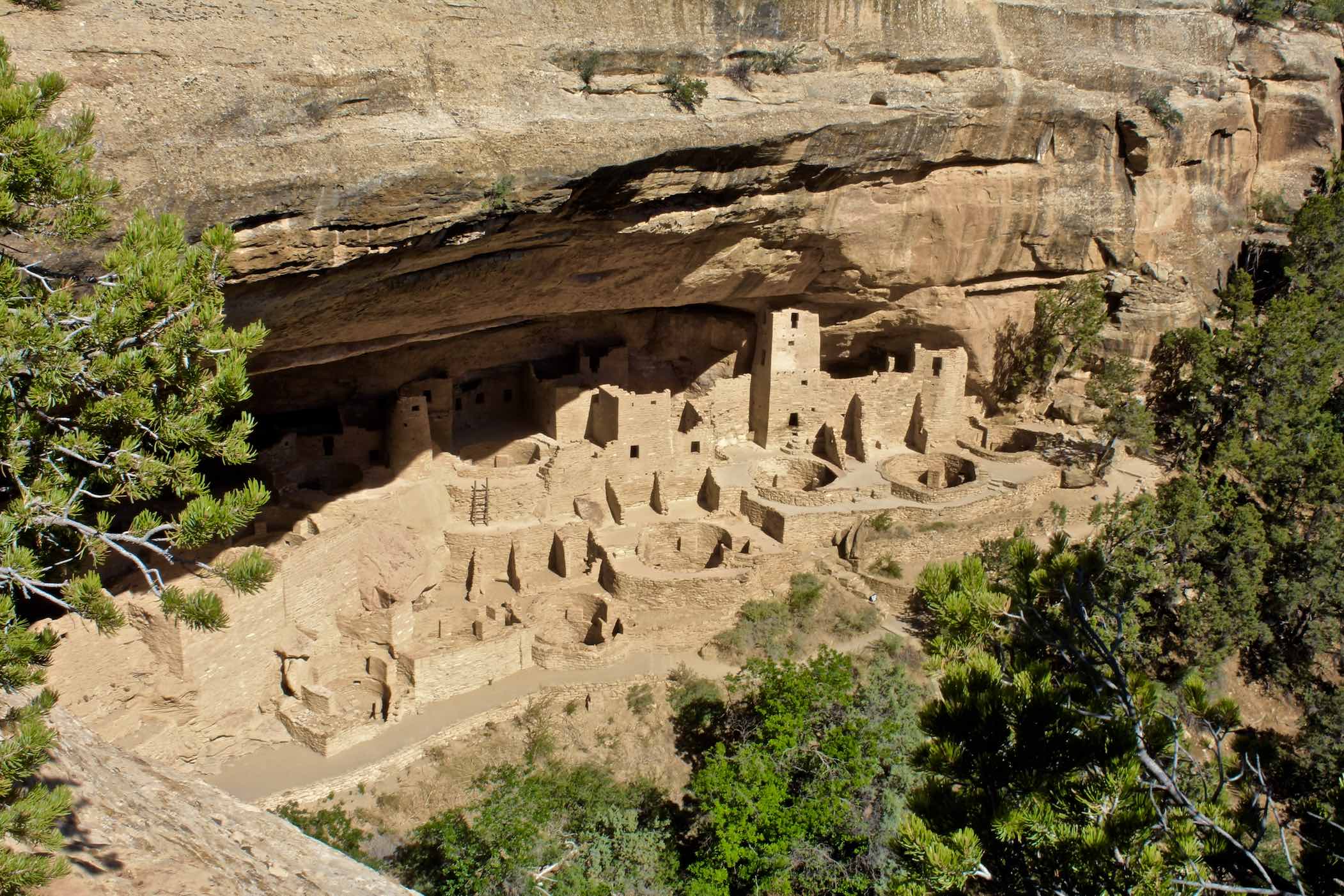
Cliff Palace is a truly remarkable testament to the architectural artistry of the Native People living in Mesa Verde, Colorado. This “palace” actually was an apartment house built and occupied between AD 1190 and 1300. It stretches the length of an American football field.
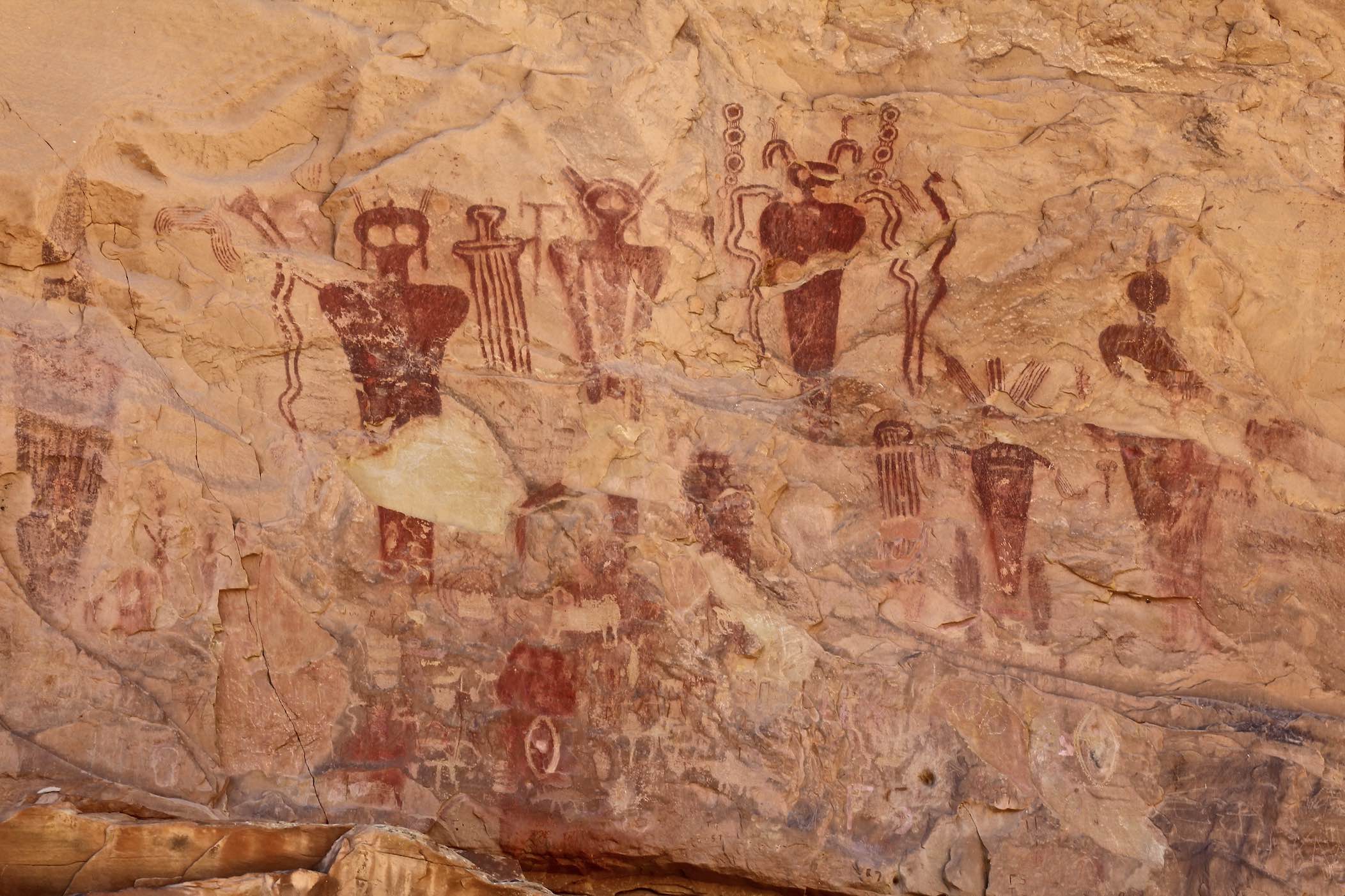
No, these more than 2,000-year-old pictographs in Utah do not depict extraterrestrial visitors to Earth. These likely were images of spirit beings.
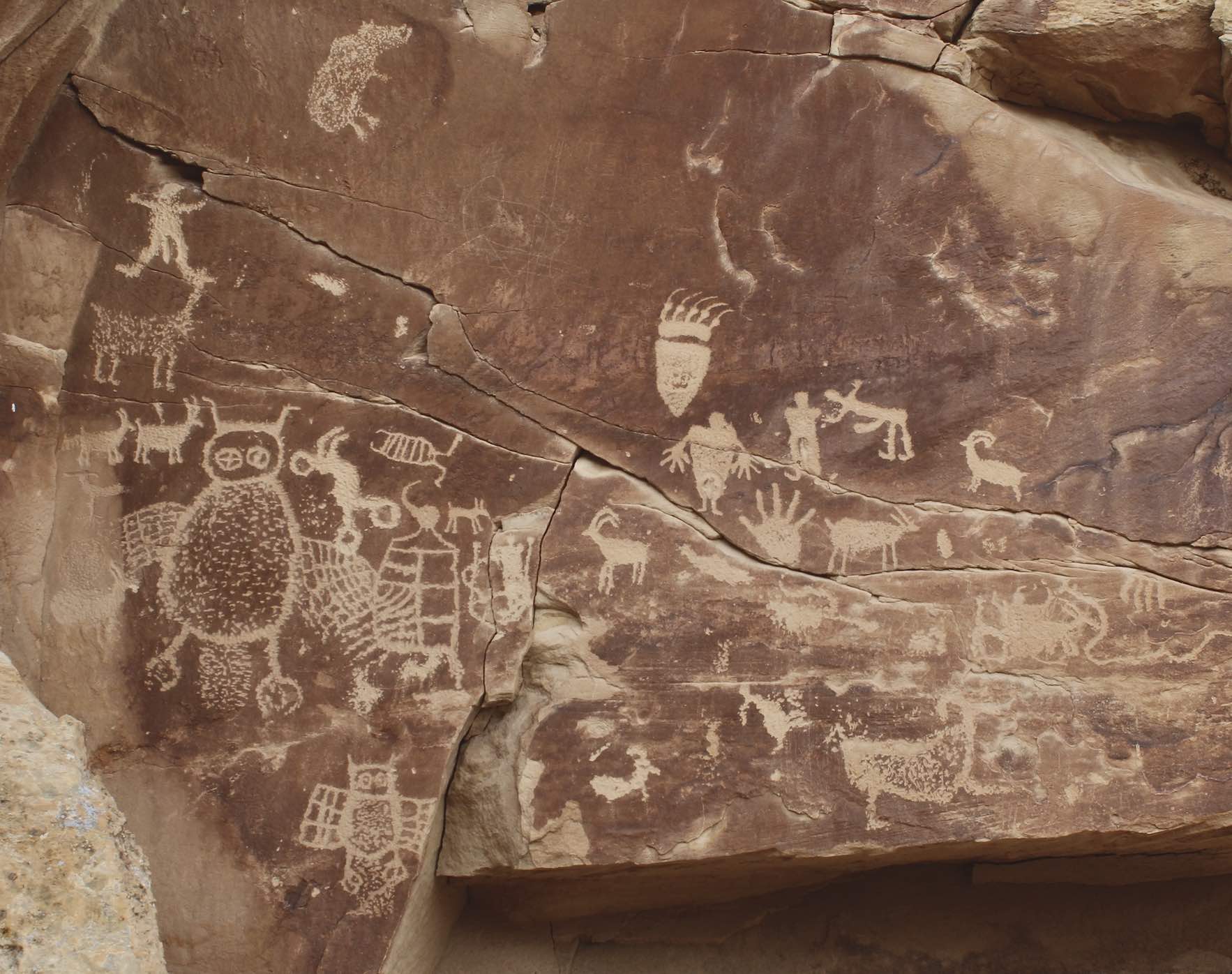
Rock art, like this petroglyph in Nine Mile Canyon, Utah, is likely more than 1,000 years old and provides the modern viewer with a peak into the minds of the immensely creative artists of Native America.
Curator: Bora Pajo
Native America
Kenneth L. Feder Native America: The Story of the First Peoples Princeton University Press 440 pages, 6.25 x 9.25 inches ISBN 978-0691220451
Available here →September 8, 2025
20250908-feder-kenneth-on-native-america-the-story-of-the-first-peoples-1-1
In a nutshell
The rest of this thread

Kenneth L. Feder
Kenneth L. Feder is professor emeritus (Anthropology) at Central Connecticut State University in New Britain, Connecticut. His primary research interests include the archaeology of the Native Peoples of New England and the analysis of public perceptions about the human past. He is the author of several books including Frauds, Myths, and Mysteries: Science and Pseudoscience in Archaeology (Oxford University Press, 2025, 11th edition); The Past in Perspective: An Introduction to Human Prehistory (Oxford University Press, 2024, 9th edition); and Native America: The Story of the First Peoples (Princeton University Press, 2025).
Pull this thread
Indigenous North America is a 20,000-year record of invention whose architecture stands comparison with medieval Europe's.
Know something the rest of us don't?
Most threads on Rorotoko begin with our invitation. Any thread can begin with a proposal: you write it with the same prompts every thread answers, and we review it.
Propose a thread →