
Kenneth L. Feder
Native America
Let's get something straight right at the outset; I am not an Indigenous person. My ancestors arrived in America in the late nineteenth century, fleeing poverty and oppression in Europe. So my deep dive into archaeology with a particular focus on the Native People of North America took a circuitous path. It is rooted in a combination of fascination and respect. If anything most symbolizes that intellectual journey, it was an event that occurred to me in the early 1990s.
My crew was conducting our first year of field work at the Lighthouse site. It wasn’t an actual lighthouse; it was called that by stagecoach drivers who viewed the village as a sort of beacon in the wilderness. Dating to between the mid-1700s and the mid-1800s, the Lighthouse was a community of people of Narragansett, Mohegan, European, and African descent living in the northwest hill town of Barkhamsted, Connecticut. We were digging there for the primary reason that I thought the place and its story were exceptionally interesting.
A local television station covered our research in their daily news program. On the following day, while we were having lunch along the road that marked the edge of the site, a red pickup truck roared into the parking lot, ground to a halt, and a big bear of a man emerged. He walked over to where I was sitting on the ground, put his hands on his hips, and seemed to glare down at me. It was a bit disconcerting, to say the least. I stood up and meekly asked, “Can I help you?”
The man thrust out his arm and demanded, “Shake my hand.” Of course I did and he then pointed toward the site and cracking a big smile said, “You just shook hands with one of them. I’m a descendant of Jimmy Chaugham.”
I was stunned. And ecstatic. James Chaugham was a Narragansett man from Block Island in Long Island Sound who, with his white wife Molly Barber, established the Lighthouse community in the mid-eighteenth century. The visitor was Mr. Raymond Ellis and between the two of us, we determined that he was a seventh-generation descendant of James and Molly. I invited Mr. Ellis to view our archaeological excavations and he eagerly accompanied me up the hill to examine the foundations, fireplaces, charcoal kilns, and the stone quarry that were located in the main part of the village. He lived in the area and when I asked him about the last time he had visited the site, he became very quiet. He told me that he had never been there because local people had always made fun of the “drunken Indians who lived up on the hill.”
That saddened me but nothing prepared me for Mr. Ellis’s reaction when we visited the village cemetery. As I did my standard lecture about the site, I looked up to see tears streaming down Mr. Ellis’s face. I felt terrible and apologized profusely for having saddened him. He looked at me and responded, “No. Do not apologize. Thank you for bringing me home.”
That moment changed me, both as an archaeologist and as a person, and it underlies my perspective, approach, and motivation on every page of Native America. As an archaeologist and an author, my goal is to bring people to visit the home of the Indigenous People of North America.
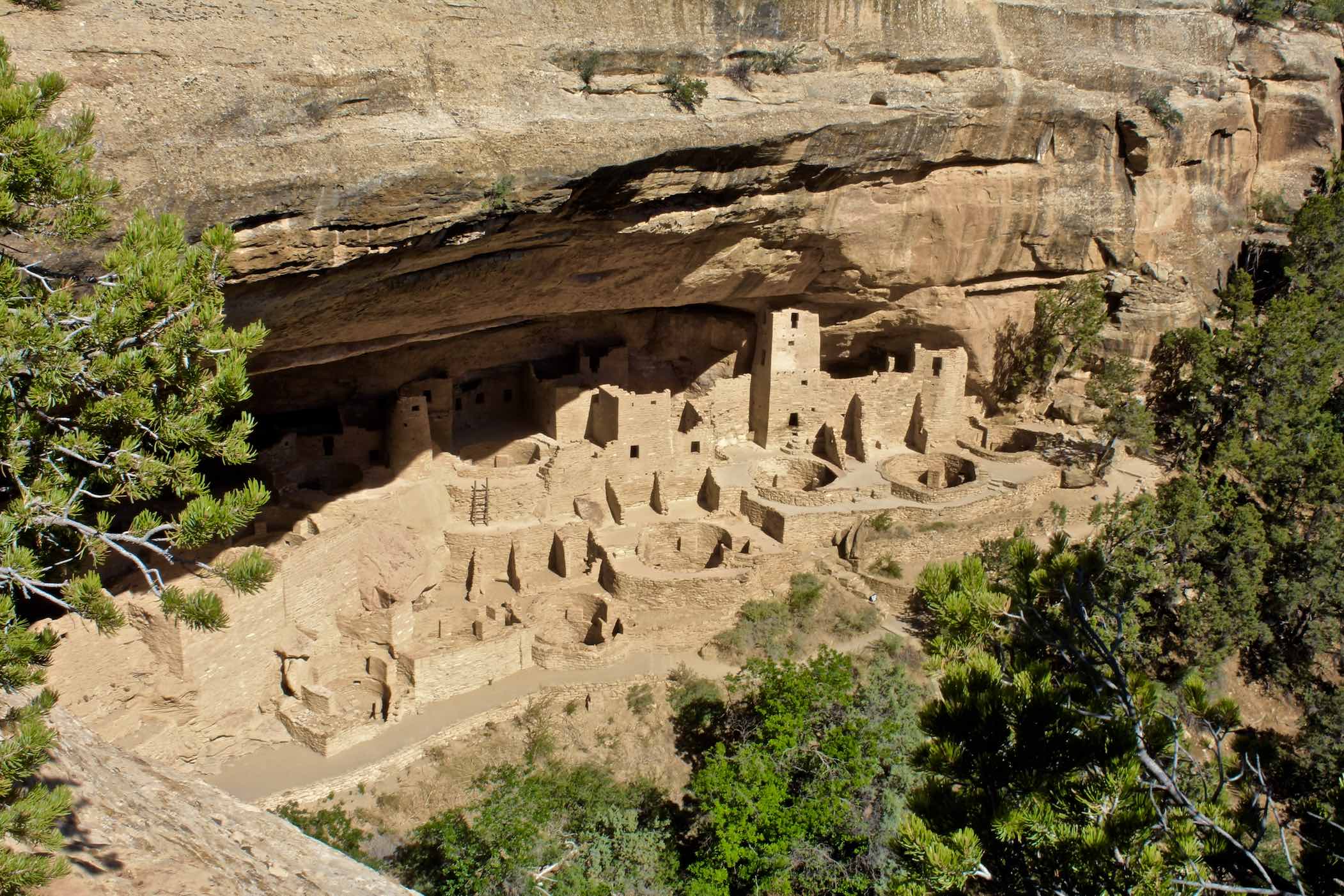
Cliff Palace is a truly remarkable testament to the architectural artistry of the Native People living in Mesa Verde, Colorado. This “palace” actually was an apartment house built and occupied between AD 1190 and 1300. It stretches the length of an American football field.
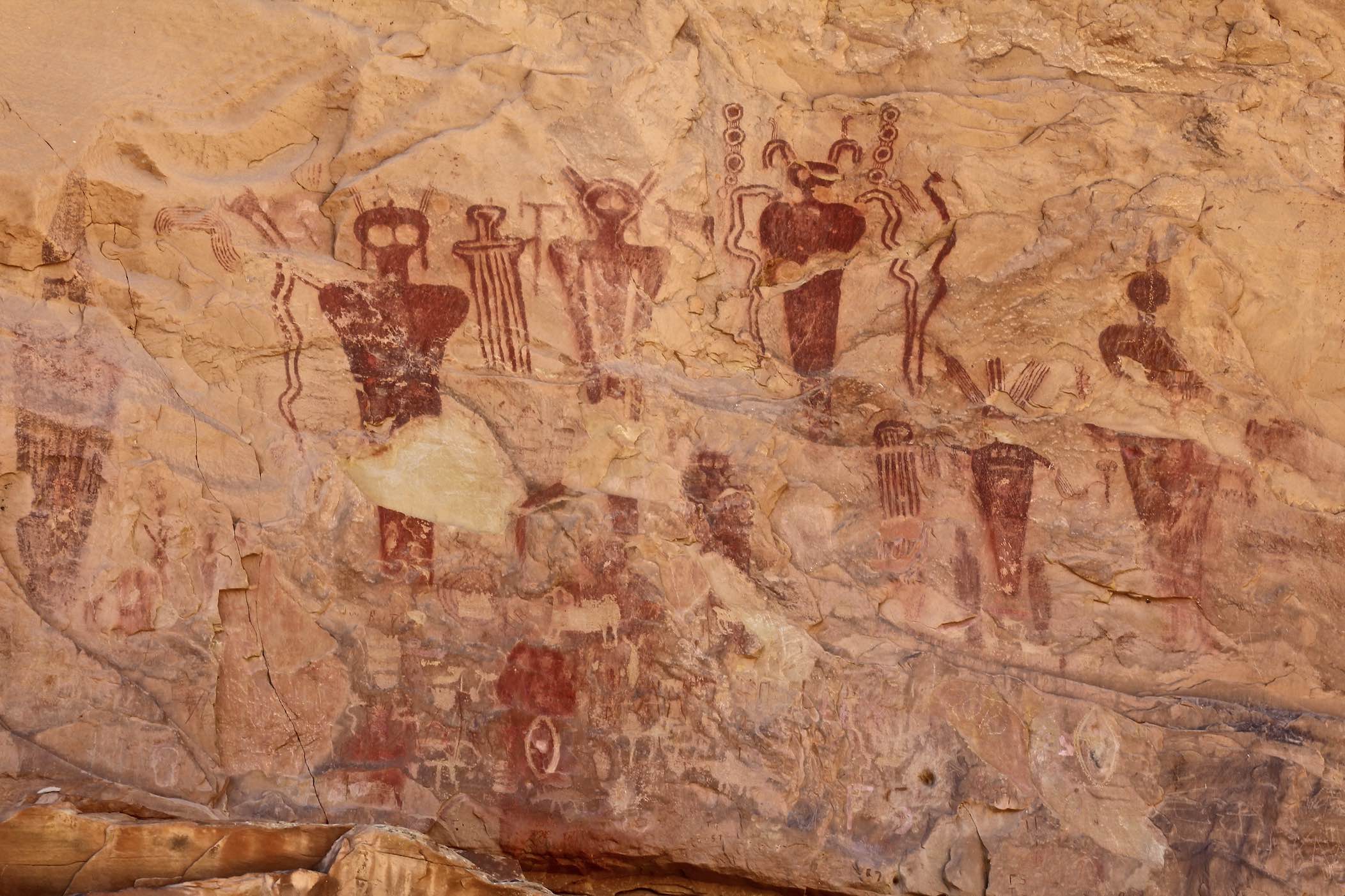
No, these more than 2,000-year-old pictographs in Utah do not depict extraterrestrial visitors to Earth. These likely were images of spirit beings.
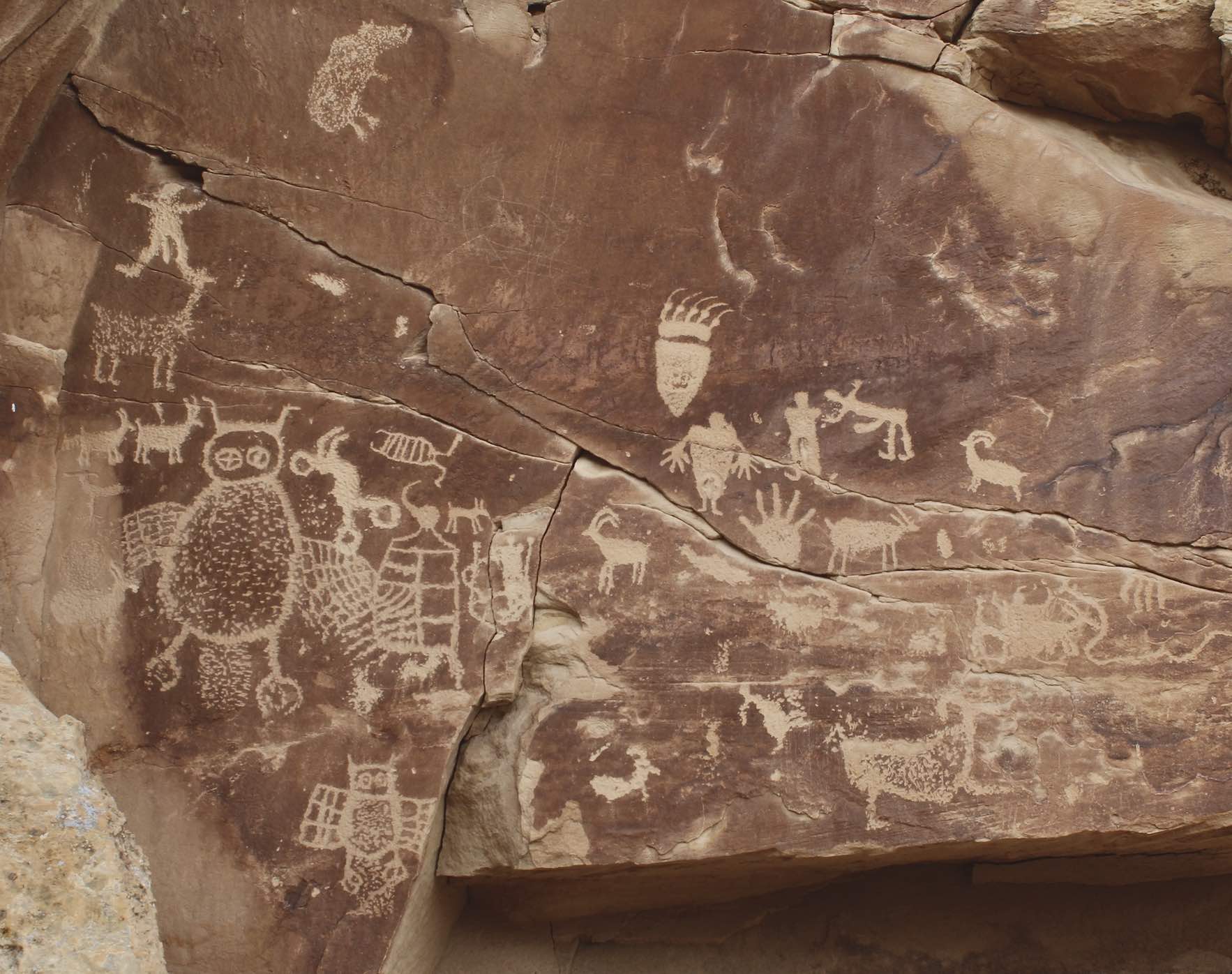
Rock art, like this petroglyph in Nine Mile Canyon, Utah, is likely more than 1,000 years old and provides the modern viewer with a peak into the minds of the immensely creative artists of Native America.
Curator: Bora Pajo
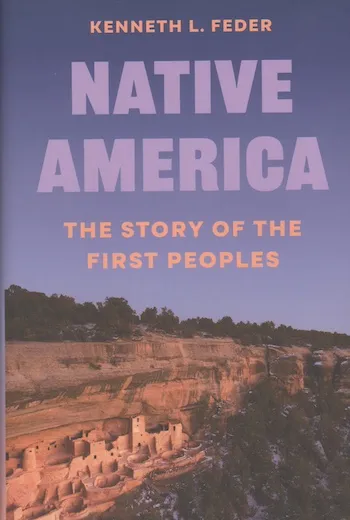
Native America
Kenneth L. Feder Native America: The Story of the First Peoples Princeton University Press 440 pages, 6.25 x 9.25 inches ISBN 978-0691220451
Available here →September 8, 2025
20250908-feder-kenneth-on-native-america-the-story-of-the-first-peoples-2
The wide angle
The rest of this thread
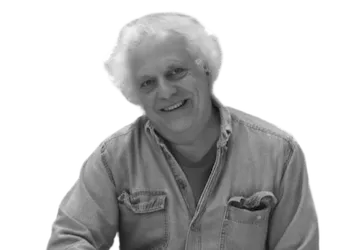
Kenneth L. Feder
Kenneth L. Feder is professor emeritus (Anthropology) at Central Connecticut State University in New Britain, Connecticut. His primary research interests include the archaeology of the Native Peoples of New England and the analysis of public perceptions about the human past. He is the author of several books including Frauds, Myths, and Mysteries: Science and Pseudoscience in Archaeology (Oxford University Press, 2025, 11th edition); The Past in Perspective: An Introduction to Human Prehistory (Oxford University Press, 2024, 9th edition); and Native America: The Story of the First Peoples (Princeton University Press, 2025).
Pull this thread
Indigenous North America is a distinct chapter of the human story, not a prologue to it.
Know something the rest of us don't?
Most threads on Rorotoko begin with our invitation. Any thread can begin with a proposal: you write it with the same prompts every thread answers, and we review it.
Propose a thread →