
Sarah Maslen
Learning to Hear
This book is part of a much longer project within philosophy and social theory seeking to understand what I describe as the sensed unconscious. The concept describes aspects of our embodied experience that remain concealed from our reflective attention as we orient outward. For example, in social interaction, we can often be self-conscious of how we will appear to others, but we are mostly unaware of how we are using our bodies to shape others’ perceptions of us. In a similar way, Michael Polanyi wrote about how we cannot focus on the movement of our tongues as we speak, because doing so would compromise our ability to focus on the meaning of our words. Much of the work that has grappled with these aspects of experience that are “in” the body and yet disattended has done so through the lens of habit, or the habitus. We acquire our dispositions, but once learned, they recede from our conscious attention.
I came to this topic due to an interest in the cultivation of different ways of perceiving. I trained as a classical pianist originally. As teenagers are want to do, I found myself drawn to metal and industrial music in an act of rebellion. People who knew me as a pianist could not comprehend this. How could I be listening to this with my “highly skilled ears”, the inference being that I should know better. I had a hunch that they were not making the same sense of the music as me. And I didn’t think this was a matter of “taste”. I became interested in how our ways of perceiving developed. I didn’t just want to understand how our bodies are a resource in social action. I wanted to know where these bodies came from. Many scholars dealing with these ideas paid less attention to the ways that we can turn to how we work our bodies. My book contributes to this project.
Curator: Rachel Althof
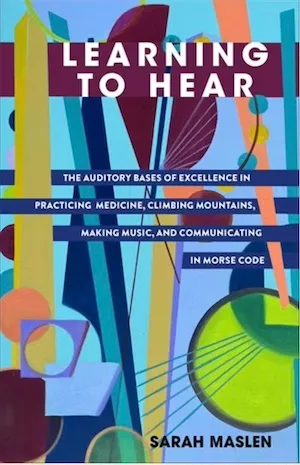
Learning to Hear
Sarah Maslen Learning to Hear: The Auditory Bases of Excellence in Practicing Medicine, Climbing Mountains, Making Music, and Communicating in Morse Code Columbia University Press 280 pages, 6 x 9 inches, ISBN 9780231217897
Available here →October 20, 2025
20251020-maslen-sarah-learning-to-hear-2
The wide angle
The rest of this thread
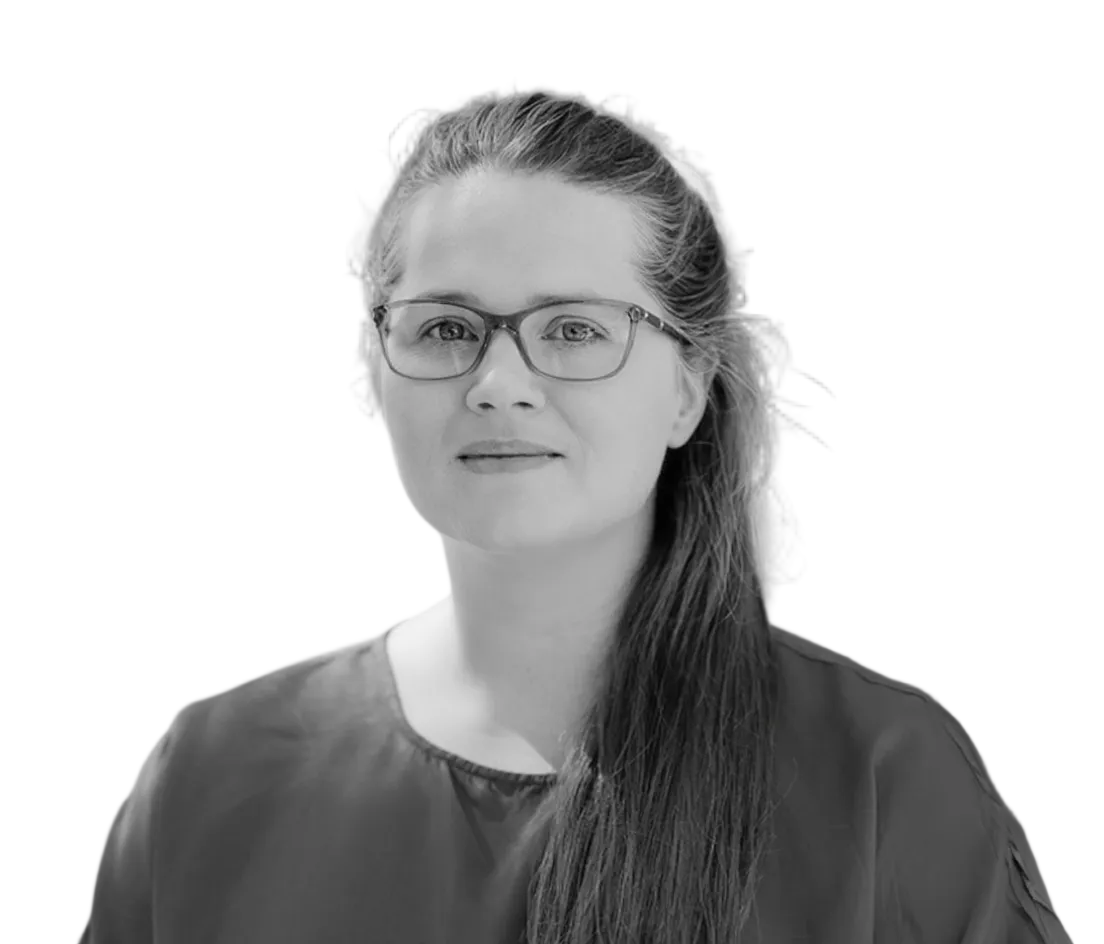
Sarah Maslen
Sarah Maslen is an Adjunct Professor at RMIT University, Australia. Her work addresses knowing, embodiment, and the relationality of the human and non-human in various fields of activity.
Pull this thread
Hearing is something people do, and expert perception is collectively cultivated by teachable tricks.
Know something the rest of us don't?
Most threads on Rorotoko begin with our invitation. Any thread can begin with a proposal: you write it with the same prompts every thread answers, and we review it.
Propose a thread →