
Santiago Zabala
Signs from the Future
Signs from the Future originates from my earlier works—Why Only Art Can Save Us: Aesthetics and the Absence of Emergency (2017), and Being at Large: Freedom in the Age of Alternative Facts (2020). In these books, I developed an emergency theory proposing that our greatest crisis is the lack of emergencies. This doesn’t mean there are no emergencies; rather, the most urgent issues—climate change, economic inequality, ongoing genocides—are often overlooked. Governments no longer need to declare a state of exception (as Giorgio Agamben argued); they can simply ignore these urgent crises. This was especially evident during the pandemic, since Donald Trump never declared a state of emergency. Closer examination reveals that many politicians who dismiss major emergencies are also the ones dismissing warnings. Trump, Javier Milei, and other far-right populists are quick to discredit and defund warning institutions. But why? In my opinion, this problem isn't limited to these politicians but runs deep within our culture. Many thinkers, scientists, and even philosophers believe we should replace traditional sources of legitimacy—those that once helped us interpret warnings—with a “transparent realism without authority.” The issue is that warnings don’t rely solely on reality or objectivity because they aim to influence the present, not just shape the future. Whether a warning becomes reality is secondary to the strength and pressure it exerts.
Curator: Rachel Althof
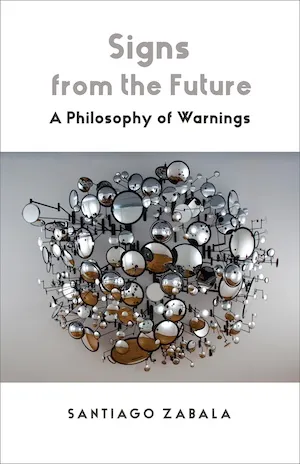
Signs from the Future
Santiago Zabala Signs from the Future: A Philosophy of Warnings Columbia University Press 256 pages, 5.5 x 8.5 inches ISBN: 9780231221726
Available here →December 1, 2025
20251201-zabala-santiago-signs-from-the-future-philosophy-of-warnings-2
The wide angle
The rest of this thread
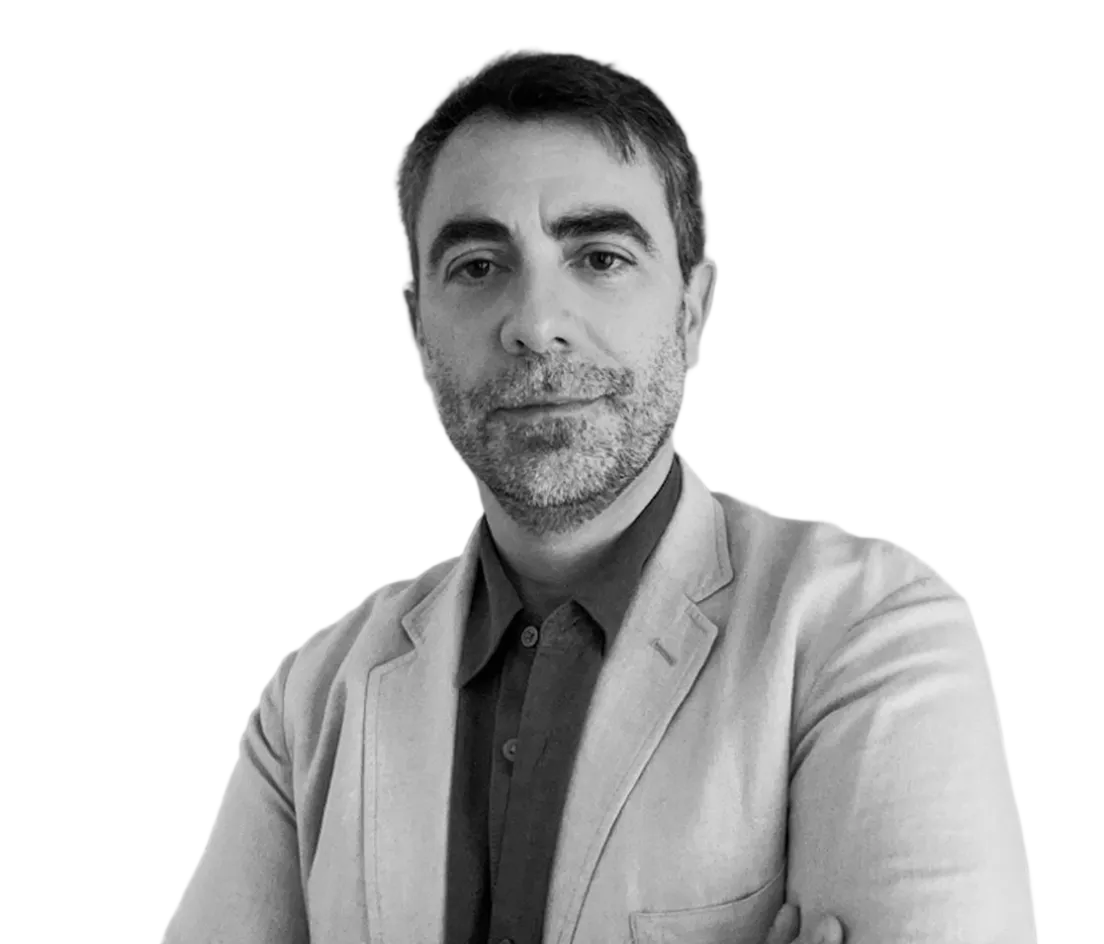
Santiago Zabala
Santiago Zabala is a philosopher and cultural critic who grew up in Rome, Vienna, and Geneva. Since 2010, he has been an ICREA Research Professor of Philosophy at Pompeu Fabra University in Barcelona. His books, articles, and research focus on the meaning of art, politics, and freedom in the twenty-first century, when, as he argues, "the greatest emergency has become the absence of emergency." Zabala believes that philosophy's goal is to draw our attention to these missing emergencies (such as climate change or economic inequality) to disrupt the ongoing “return to order” that surveillance capitalism and right-wing populism are forcing upon us.
Pull this thread
Warnings are not predictions, their whole force is the pressure they exert on the present.
Know something the rest of us don't?
Most threads on Rorotoko begin with our invitation. Any thread can begin with a proposal: you write it with the same prompts every thread answers, and we review it.
Propose a thread →