
John Scanlan
Reverb Series
I would say that for the Series to exist in the first place, and to continue to publish, we need to occupy a space between the level of detail and nuance of what shapes a more academic approach and what is accessible to a non-expert readership (who may be interested in the music, or the subjects of the books, but do not have the time or expertise for the more detailed academic inquiries that might also interest the authors).
I think that space matters because it is theoretically a public space, rather than a closed off academic space. But on the other hand, it only matters as long as there is a public who wants to read these kinds of books. Sometimes, fans of particular musical artists can be quite hostile to what they regard as over-intellectualised readings of the things that they love. There are not many other cultural phenomena that academics undertake to research and write about that are also sustained by fan forums, which in their own way provide their own kind of platform for examining or narrating what the music means to its listeners.
Thinking of it in very general terms, fans are, of course, the co-creators of all popular culture: by definition it would not exist without the fans. So, we want our books to appeal to fans, but also to others who might not be fans, but who might see in the particular focus on place and on the creative side of the music that our books have, something that is interesting.
I think one broader intellectual context is the emergence of ‘place’ as a focal point for many disciplinary approaches to look at particular issues and questions, including, in our case, the examination of things like music and creativity.
Curator: Bora Pajo
Reverb Series
Available here →April 22, 2026
20260422-john-scanlan-reverb-series-the-wide-angle
The wide angle
The rest of this thread
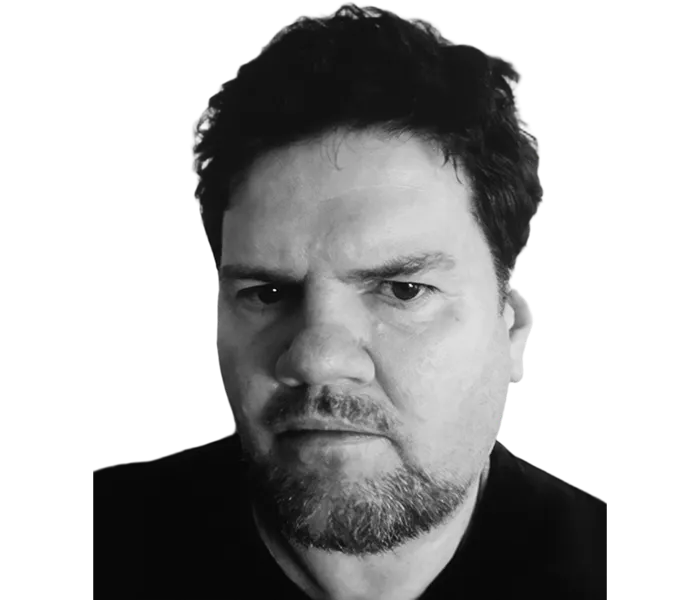
John Scanlan
John Scanlan works in cultural history and aesthetics. He co-founded the Reverb series with Reaktion Books in 2010. He is the author of many articles and books, including Rock ’n’ Roll Plays Itself: A Screen History (Reaktion, 2022) and Sex Pistols: Poison in the Machine (second edition forthcoming, Reaktion, 2026).
Pull this thread
Know something the rest of us don't?
Most threads on Rorotoko begin with our invitation. Any thread can begin with a proposal: you write it with the same prompts every thread answers, and we review it.
Propose a thread →