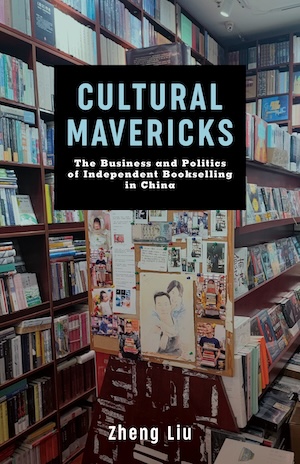
Cultural Mavericks is the outcome of my decade-long journey to capture, document, analyse, and reflect on the wider changes unfolding in China’s book business through an examination of the development and practices of independent bookstores. What began as a deeply personal encounter with a group of unconventional bookstores evolved into a scholarly inquiry into and an understanding of something far larger than my initial curiosity about the genesis and cultural meaning of these institutions. By studying how these shops make everyday decisions—what to stock, how to present themselves aesthetically, and how to engage their communities—this project reveals the strategies through which entrepreneurial survival and cultural autonomy are negotiated in a sector shaped simultaneously by commercial, cultural, and political logics. In doing so, this book also offers a grounded account of how China’s cultural economy operates and evolves through the dynamic intersection of market forces, political power, and cultural principles.
What I also discovered through this study was that independent bookstores were not merely retail outlets but cultural spaces where ideas and aesthetics are thoughtfully curated to generate and sustain meaning. They functioned as critical arenas on which culture and creativity were enacted in face-to-face interactions to create value and impact. Through the deeply personal choices the shop owners made about the books they stocked, the events they organised, and the atmospheres they cultivated, these shops aligned their cultural aspirations and entrepreneurial visions to create both artistic impact and commercial value. By unveiling these dynamics, this book reminds us of the enduring power of physical cultural enterprises like bookstores in sustaining meaningful cultural life and dynamic artistic creation in today’s deeply digitalised world—one in which the boundaries between human creativity and AI-generated culture and art are becoming increasingly blurred and, for many, ever less significant.