
Spencer Waller
Power and Greed: Monopolies, Mergers, and Cartels on the American Stage
Live entertainment has been a national business since the 19th century with the development of national transportation (railroads) and communications (telephone and telegraph). The men who controlled the entertainment business sought to control or eliminate as much competition as possible to ensure the highest profits with the lowest risk.
We know the stories of John Rockefeller, Cornelius Vanderbilt, and J.P. Morgan in the industrial economy. We don’t know as much about the stories of the barons of vaudeville and the men and companies who controlled Broadway and touring theater.
These colorful characters took as much as the market would allow, drove new entrants out of business who wanted to compete on the merits, gouged the public, screwed the actors and crew, and generally got away with it. The antitrust laws, which were passed in the 1890s to prevent this kind of bullying and ganging up were generally not enough to stop them until after World War II. The United States Department of Justice finally sued the Shubert organization for monopolization and won. This forced the defendant to sell off theaters in New York City and across the United States to restore competition in commercial theater. That industry is more competitive as a result.
Today we see the same issues playing out in the live concert industry. Live Nation/Ticketmaster has been found guilty of monopolization and faces the possibility of a breakup that can help consumers, musicians, promoters, organized labor, and music venues operate in a more competitive environment.
Ongoing thread. More from Spencer Waller to follow.
Curator: Bora Pajo
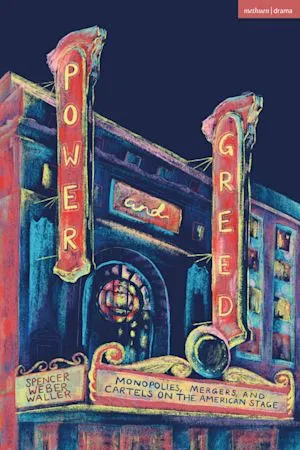
Power and Greed: Monopolies, Mergers, and Cartels on the American Stage
Waller, S. W. (2026). Power and greed: Monopolies, mergers, and cartels on the American stage. Methuen Drama.
Available here →October 15, 2026
20261015-waller-power-and-greed-the-wide-angle
The wide angle
The rest of this thread

Spencer Waller
Spencer Weber Waller is an attorney and law professor who has represented actors, playwrights, marketing professionals, and theatre companies. He was co-producer of the 2024 Broadway revival of The Who's Tommy and has invested in Broadway and touring productions. Professor Waller also is an internationally recognized expert in antitrust and consumer protection law. He is widely published in law and frequently interviewed in the press.
Pull this thread
pulls againstpulls alongside
Competition on the business side of live entertainment determines the art on stage, and Live Nation/Ticketmaster should be broken up.
Against MM · Postwar American fiction is the product of the creative writing program, which is creativity's medium rather than its antagonist. On: Being absorbed into an institution or a market degrades an art form or a movement
Against SB · Late-GDR experimental artists worked through state art schools and official venues, and the Stasi's outsized presence was ineffective. On: Being absorbed into an institution or a market degrades an art form or a movement
Alongside PB · Corporate support for Black culture is diversity capital, an asset the firm accumulates for itself. On: Being absorbed into an institution or a market degrades an art form or a movement
Alongside LM · UNESCO's heritage work was forged by the colonizing powers as the last gasp of the civilizing mission. On: Being absorbed into an institution or a market degrades an art form or a movement
Alongside SZ · Authenticity is a weapon in the fight over city space, and Jane Jacobs's urban village now belongs to gentrifiers. On: Being absorbed into an institution or a market degrades an art form or a movement
Alongside JS · Iconoclasm is a central strand of Anglo-American modernity, and the museum and aesthetics continue it by other means. On: Being absorbed into an institution or a market degrades an art form or a movement
Nearby RJ · Forty years of deregulation, not excessive regulation, shrank the public markets and delayed IPOs.
Know something the rest of us don't?
Most threads on Rorotoko begin with our invitation. Any thread can begin with a proposal: you write it with the same prompts every thread answers, and we review it.
Propose a thread →