
Frida: The Girl Just Doesn't Go Away
The film, Frida: The Girl Just Doesn't Go Away, does not include any of Frida's work. It looks at the fascination with her, it looks at what's happened to Frida commercially during the last two decades or so. It's not another biopic. It's not about her work, or even her suffering. But it does look at how she has become this kind of iconic figure for many people who may not even have a very strong interest in art. I mean, if you ask many of them who Diego Rivera is in relation to Frida, they don’t have a clue.
It's a fun film, and it's very different, in a way, to my other films. It's the only film I've ever made about a woman. All of my films actually have predominantly male characters, and as a feminist, I reflect on that.
In a way, it's quite an analytical film. It includes a lot of talking heads. It's a discussion. It is also visual, so people can enjoy watching it, and that balances out the narrative of the discussion. Why Frida? That was the aim of the film. The film pulls out different threads: the commercialization, how that all happened; the complexity of commercialization, which makes it very difficult to make work around Frida.
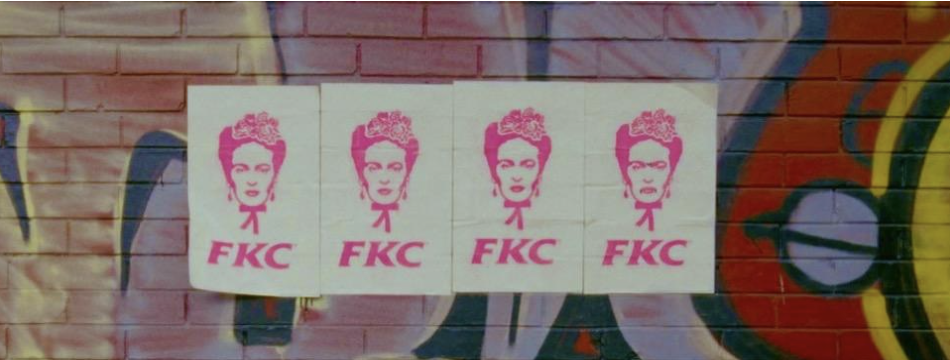
There is so much litigation around her. For example, I could not have called my film Frida Kahlo in any way. You cannot use the words Frida Kahlo together, because those words are owned by the Frida Kahlo Corporation. And they litigate over it. So the film obviously addresses that.
Frida: The Girl Just Doesn't Go Away is a small, modest, independent Mexican film, made essentially by women in Mexico: me and my writer, Marina Stavenhagen. And from a budgetary point of view, that limited us. Even if we'd wanted to put in a Frida Kahlo painting, we couldn't have afforded it. Whereas the BBC, Sky, National Geographic, Amazon, they can make films about Frida. We can't. And for me, that's important. A Mexican indie doc doesn't have the freedoms that these large international companies have if they want to explore the issues.
We wanted to have the voices of different people talking about this evolution. Julie Taymor, who directed the first international Frida feature film, is in our doc. She talks about how she doesn't like the commercialization of Frida. Cristina Kahlo, the great-niece of Frida and granddaughter of Frida's sister Cristina, talks very critically of this commercialization. But she also talks about growing up as a Kahlo in Mexico. She is an artist, a photographer in her own right. We have Ofelia Medina in the film. Ofelia was the first actress to play Frida, in the very first feature film about her.
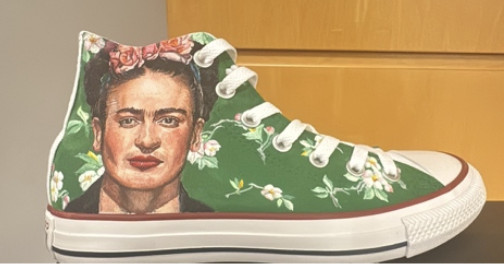
We also filmed Siobhan Guerrero, an intellectual, a professor of philosophy here in Mexico, who talks about the gender issues around Frida. And Renato Camarillo, a historian of costume, talks about the whole issue of Frida wearing Mexican indígena dress as a non-indígena woman, and the politics of that. Mari Carmen Ramírez and Arden Decker, the two curators of the Frida, Making of an Icon exhibition at the Museum of Fine Arts in Houston, are in the film talking about the phenomenon of Frida. Arden asks the question at one moment: who has the right to own Frida?
The film goes in these different directions, these voices who talk about all these different agendas.
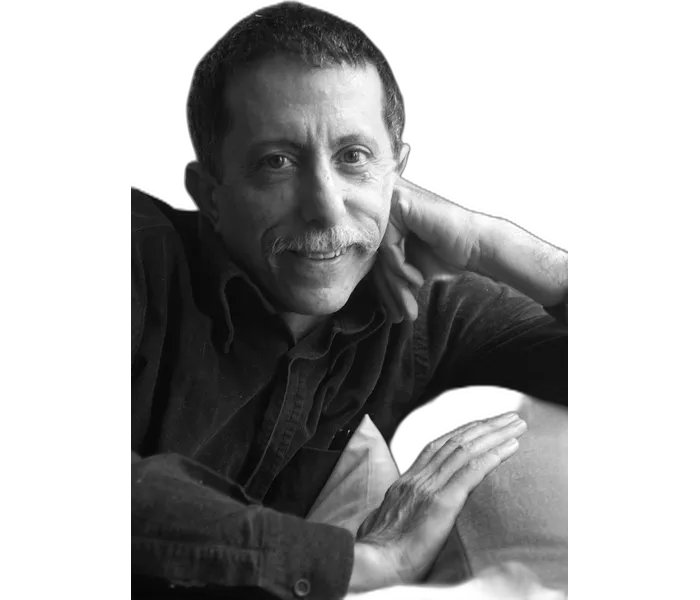
Ongoing thread. More from Trisha Ziff to follow.
Life on the Octopus Farm: The Ethics and Future of Growing the World's Most Intelligent Invertebrate
This is a book about efforts around the globe to develop an octopus aquaculture. Efforts to farm octopus have been going on for more than fifty years, but nowhere has a commercially viable octopus aquaculture been developed. Work, however, continues, and it is probable that within the next decade farm-raised octopus will be available in your supermarket. I traveled to Mexico, Spain and Japan to examine these efforts, interview would-be octopus farmers, scientists, and people who eat wild-caught octopus, as well as explore the cultures of these places.
Additionally, the book looks at why people choose to eat, or not eat, certain foods. What is the psychology of taste? The wild-caught octopus market is worth nearly four billion dollars according to most estimates, so a lot of money stands to be made by anyone who is finally able to successfully farm them. But is it ethical to farm a short-lived, asocial animal that is the most intelligent invertebrate in the world just to satisfy a market for high-end consumers?
For non-meat eaters, obviously not. For those carnivores among us, there are some good reasons to view octopus as an ethical food choice: in the wild, 95% of newly hatched octopuses will be eaten before they reach adulthood, and farming would give them a chance to grow up. In addition, the octopus’s conversion rate of feed to meat is much better than livestock like cows or pigs, making them a more environmentally sustainable choice. And, the meat is high in healthy proteins and omega-3s, with no fat or bones.
What’s more, as my time working on an octopus farm on Mexico’s Yucatan peninsula taught me, a successful farming operation could create a new source of income for desperately poor people. Around the world, the annual catch of wild octopus is declining annually, and would-be farmers maintain that octopus aquaculture would allow wild stocks to make a comeback.
Ongoing thread. More from Richard Schweid to follow.
This week's threads
All the threads →
The First Pop Age
Know something the rest of us don't?
Most threads on Rorotoko begin with our invitation. Any thread can begin with a proposal: you write it with the same prompts every thread answers, and we review it.
Propose a thread →