
In a nutshell
August 12, 2026
Sidewalk Nation: The Life and Law of America's Most Overlooked Resource
Sidewalk Nation: The Life and Law of America's Most Overlooked Resource shows how sidewalks are at the center of many of our most significant public debates. In addition to the numerous ways in which they shape mobility, walkability, and accessibility, sidewalks implicate questions of commerce, taxation, and property rights, as well as policing, homelessness, and surveillance. And they link concerns about free speech, public health, climate resilience, and more. Indeed, nearly anything that people are passionate about runs through the sidewalk, and vice versa: sidewalk choices touch everything they might care about.
But despite all of this, sidewalks are too often taken for granted. That's a problem because with all of these uses competing for the same bit of space, sidewalks are also major sites of conflict. Sometimes those conflicts are very weighty. Fights over the role of women in our society, of people of color, immigrants, LGBTQ+ people, unhoused people, and more have played out on our sidewalks. For years, the law even limited the availability of sidewalks to people along these very lines—and it still often does for unhoused people. But now that sidewalks are available to most everyone on equal terms, that very fact creates its own conflicts because we place so many competing claims on the space: transportation, recreation, commerce, infrastructure, trash, scaffolding, protest, socialization, public safety, and more. In fact, this is only becoming more true, with new technologies like delivery robots and EV charging, expanded sidewalk businesses, a changing climate, and a growing population.
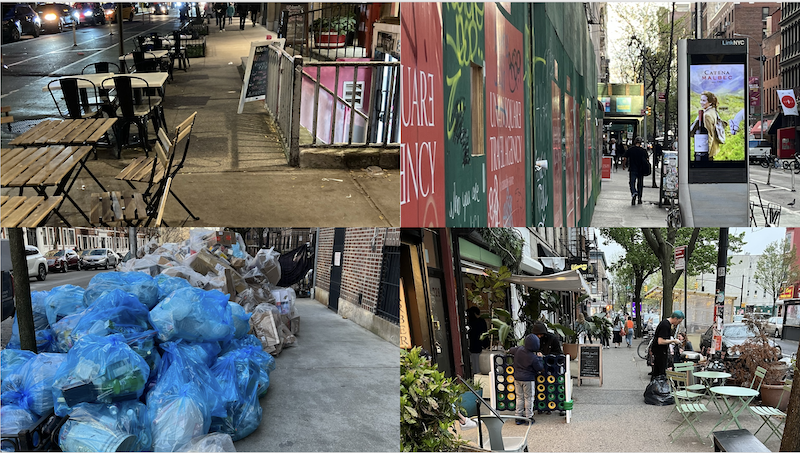
Sidewalks therefore deserve much more attention and investment than they tend to get. And they deserve more efficient and more effective forms of management and responsibility. Sidewalk Nation offers a path toward achieving exactly that.
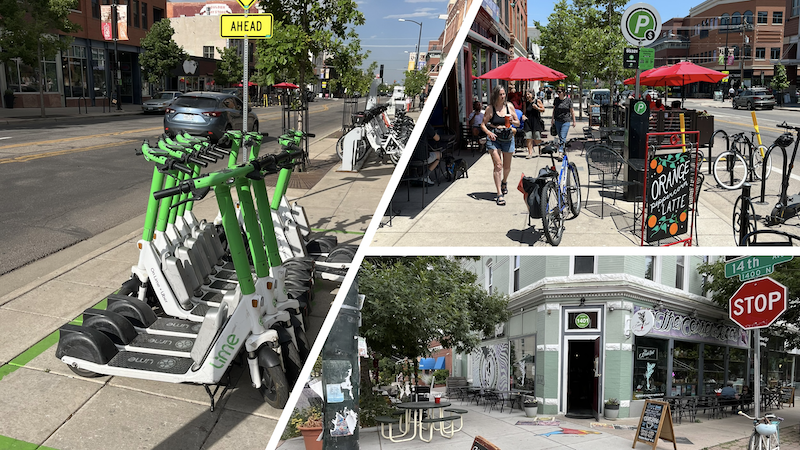
First, it explains how local governments can more effectively and efficiently streamline and coordinate regulation and oversight for all of these different sidewalk uses to ensure that they work in harmony. Second, it brings to the fore a critical gap in sidewalk accountability: the outsized role of private property owners. In many cities and towns, maintenance and caretaking of the public sidewalk is not the responsibility of the government but of the property owner who lives next to the sidewalk. This arrangement is burdensome on the individual, inequitable for the community, and ineffective for the locality as a whole. Bringing these responsibilities into government hands would correct many of these problems.
Ongoing thread. More from Michael Pollack to follow.
Curator: Bora Pajo
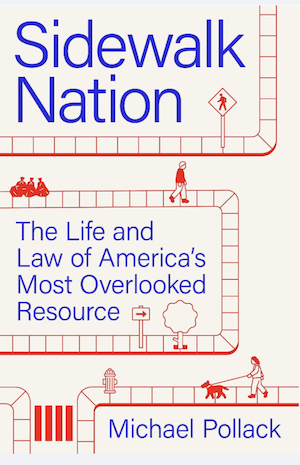
Sidewalk Nation: The Life and Law of America's Most Overlooked Resource
Pollack, M. (2026). Sidewalk Nation: The life and law of America's most overlooked resource. Harvard University Press.
Get the book →August 12, 2026
20260812-pollack-sidewalk-nation-in-a-nutshell
The rest of this thread

Michael Pollack
Michael Pollack is a Professor of Law and the Associate Dean for Faculty Development at the Benjamin N. Cardozo School of Law in New York City. Prior to joining the Cardozo faculty in 2017, Professor Pollack was a law clerk to Supreme Court Justice Sonia Sotomayor and to Judge Janice Rogers Brown of the Court of Appeals for the D.C. Circuit, an attorney at the Department of Justice's Federal Programs Branch in Washington, D.C., and a Bigelow Fellow at the University of Chicago Law School.
Feature your book, your art, your project
Publishing with a small press, or on your own?
A Sponsored Thread runs like every other thread on Rorotoko: three parts on three dates, the same editorial review, your own pages in the archive. Marked Sponsored.
Get featured →