
Robert M. Peck
Travels on the Edge: A Naturalist's Notes From the Back of Beyond
For over two hundred years the Academy of Natural Sciences of Philadelphia has been sending expeditions around the world to better understand the plants and animals that inhabit its wildest places. For fifty of those years, I served as the chronicler, photographer, and historian of our scientists’ expeditions.
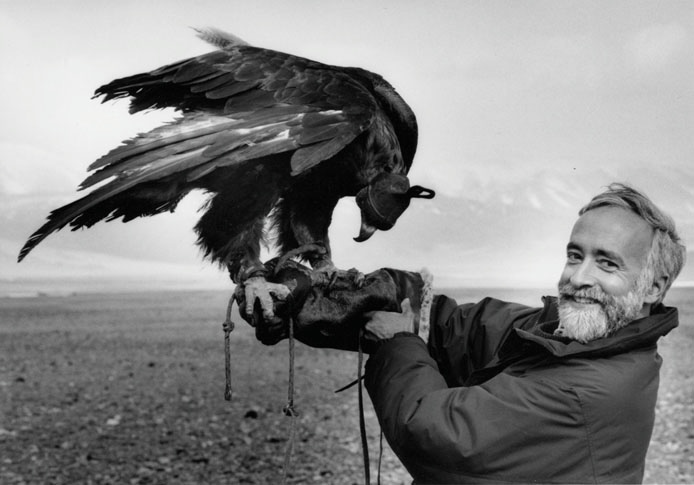
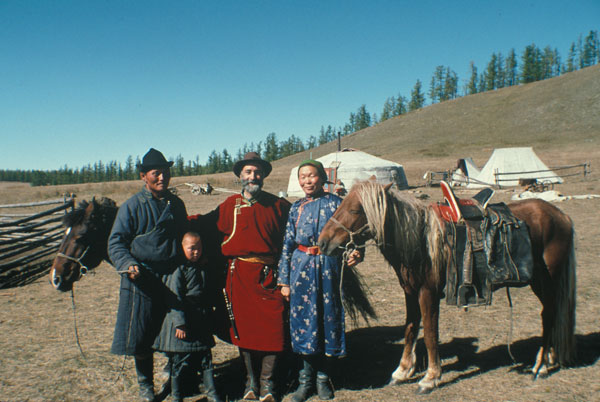
While helping them with their work, I discovered three new frogs in the Andes, collected several new fish in the Orinoco River, and charted the travels of swarming desert locusts in Africa and in rarely visited parts of the Caribbean. I made seven extensive expeditions to Mongolia to study its water systems and wildlife and to document the fast-changing lives of its nomadic herdsmen. I traveled with camel caravans across the Gobi Desert, was confronted by hostile Indians in Ecuador, and put under house arrest in China.
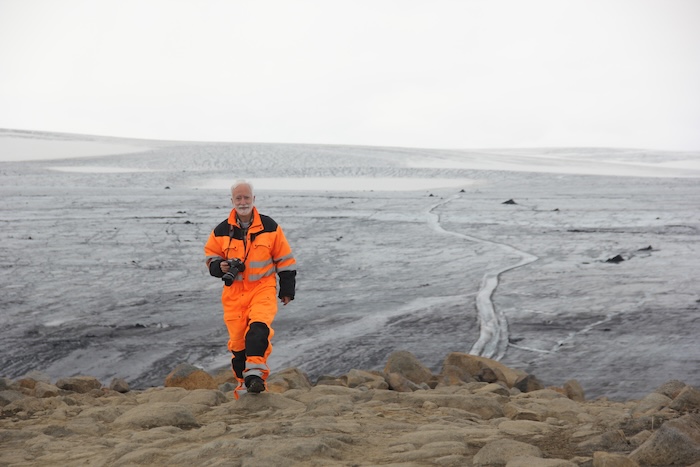
Some of my trips were physically challenging and dangerous. Most were to very remote parts of the world. Some were unusual in other ways. I witnessed, first-hand, the fall of the Berlin Wall, experienced Pope Benedict’s last audience as Pope, and accompanied two of Ernest Hemingway’s grandsons to Cuba in 2014 to commemorate the 60th anniversary of his receipt of the Nobel Prize for Literature.
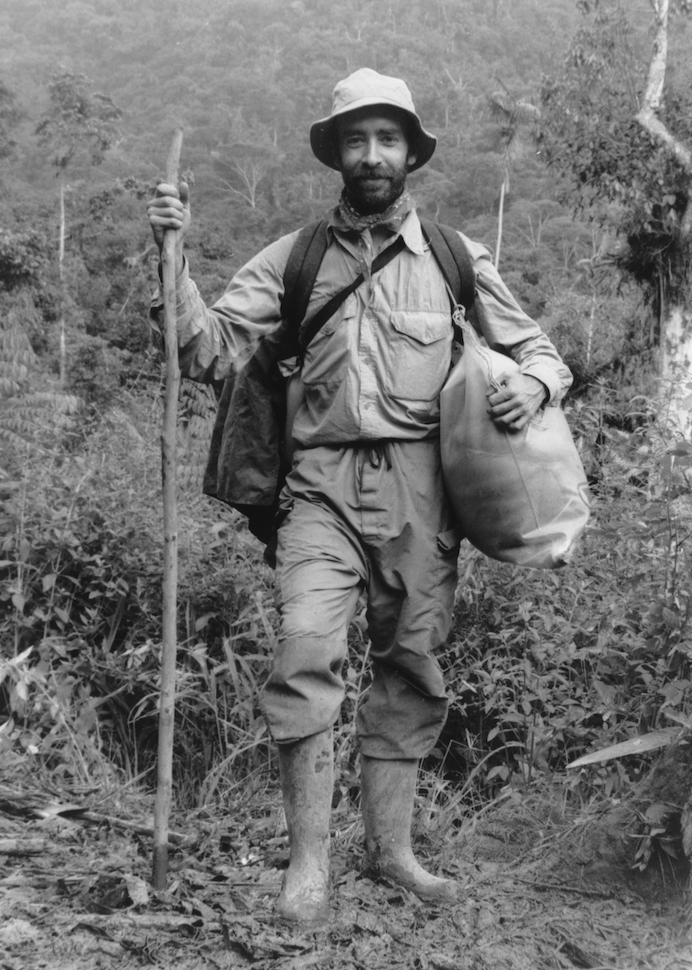
For much of my professional career, I was lucky enough to be in the right place at the right time to observe history being made, or to record a disappearing way of life. My book contains accounts of these trips and gives readers a behind-the-scenes look at what expeditionary travel can be like.
Curator: Bora Pajo
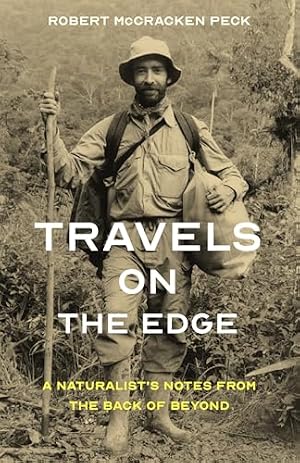
Travels on the Edge: A Naturalist's Notes From the Back of Beyond
Peck, R. M. (2026). Travels on the edge: A naturalist's notes from the back of beyond. American Philosophical Society Press.
Get the book →October 3, 2026
20261003-peck-travels-on-the-edge-the-wide-angle
The wide angle
The rest of this thread
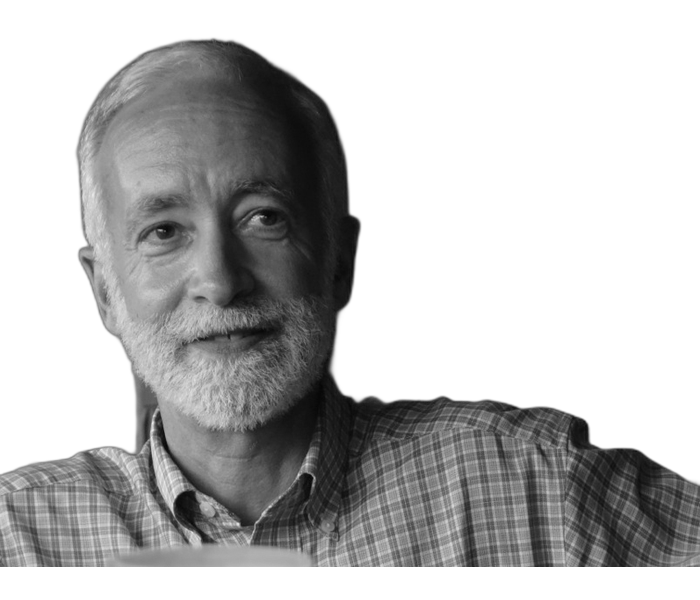
Robert M. Peck
An historian, naturalist and writer, Robert McCracken Peck was the humanist on staff at the Academy of Natural Sciences of Philadelphia for fifty years, serving as Librarian, Curator of Art and Artifacts, Editor of Scientific Publications, Fellow, and then Senior Fellow of the Academy between 1976 and 2026. He holds a bachelor's degree, Magna-cum-Laude, from Princeton University and a Master of Arts degree from the Winterthur Program in American Cultural History from the University of Delaware (which gave him an honorary doctorate degree in 2012). In 1988 a new species of South American frog, one of three he discovered in the upper Amazon basin in Ecuador, was named in his honor.
Know something the rest of us don't?
Most threads on Rorotoko begin with our invitation. Some begin with a proposal. Both use the same prompts and the same editing, with your own pages in the archive. Proposed threads carry a small Sponsored label and a fee.
Propose a thread →