
Old in the Game: Aging in and with Hip-Hop
Like many people living outside of New York City in 1979, my first exposure to hip-hop came via the radio with the rap track “Rapper’s Delight” by the Sugarhill Gang. It was fun and interesting, but lacking contextual knowledge about the early, percolating hip-hop scene, I didn’t think it would amount to more than an innovative confection, a mere flash-in-the-pan. But I kept an ear and an eye on the emerging scene and by the time “The Message,” by Grandmaster Flash and the Furious Five was released in 1982, it was obvious that not only did rap have depth that I had initially missed, but it seemed to me to have staying power. I saw how hip-hop’s creative elements — DJing, MCing/rapping, B-Boying/breaking, and graffiti — were insurgent, inciteful and insightful, inflecting urban space, altering the sonic environment and changing the visual landscape. And they were fun.
As a late-night campus-community radio DJ and a freelance journalist working the culture beat in a major Canadian city in 1984-85, I had entrée to several urban micro-scenes. My involvement in the local reggae scene offered easy access to the clubs and parties — small, tight, smoky, bass-heavy spaces. It was there that I noticed that, in the breaks between the band or DJ sets, the music increasingly included rap tracks, usually featuring Jamaican “riddims” and lyrical “toasting,” but also often foregrounding booming New York hip-hop. Young Black folks gathered in these clubs and it was clear that hip-hop was an important and growing facet of their everyday lives. It was soon impossible to adequately comprehend Black youth, and eventually young people in general, without having some knowledge of the hip-hop scene.
By the late-1980s, it also dawned on me that many of the top hip-hop artists whose music, art and dance I found so compelling were my age or younger, having started their careers in their mid-teens and early twenties. At the time, this surprised me. At its inception, hip-hop culture really was made by Black and Latino youth for their youthful peers, with adults pushed to the periphery. But as tends to happen — barring death — hip-hop’s pioneers, founders, and subsequent generations matured, aging in and with hip-hop. And as most of the founders will admit, they weren’t trying to build a culture in the 1970s and early 1980s; they didn’t foresee a lifetime of being tagged as hip-hop pioneers. They were simply young folks out to have fun in ways that were unprecedented, without maps or guardrails.
Hip-hop itself was my guide in this project. I let the culture enunciate its age-oriented predilections, articulating the concerns and fears, anger and resentment, or joy and pleasure that accompany the expression of age identities. Along with my personal interviews, hip-hop magazines, as well as coverage in the mainstream press, provided a deep archive of interviews, reviews, and social commentary that revealed different phases of hip-hop’s age awareness. Bio-pics and film documentaries were key textual sources. Rap lyrics also offer a trove of lyrical gems encompassing age issues, whether this involves expressing age-based self-loathing (such as a lament about one’s decline into “old flow”), “beef” and “battles” (age-oriented jousting to undermine and insult “opps” and competitors), or nostalgic reminiscences about earlier and ostensibly more innocent times.
Ongoing thread. More from Murray Forman to follow.
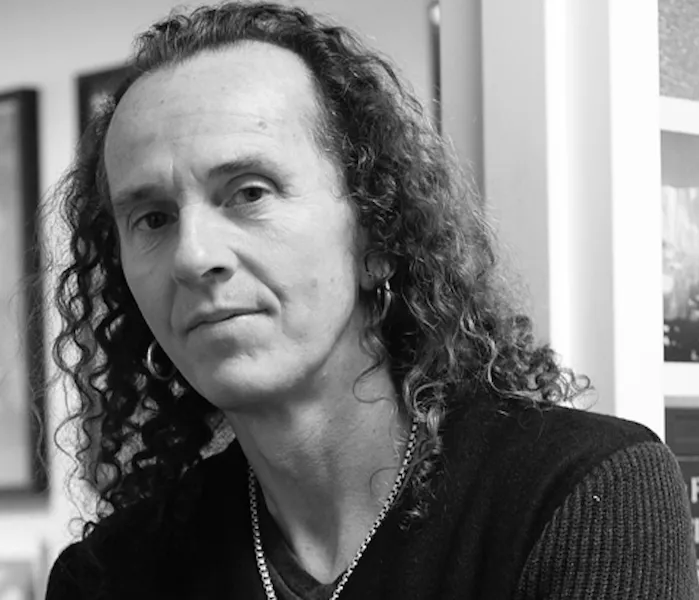
© Matthew Modoono
This week's threads
All the threads →


Casualties of Credit
Know something the rest of us don't?
Most threads on Rorotoko begin with our invitation. Any thread can begin with a proposal: you write it with the same prompts every thread answers, and we review it.
Propose a thread →