
Kiara Wyndham
Diversityland: Hiding Racial Inequality in an American Suburb
Suburbia conjures images of neatly manicured lawns, white picket fences, and financial stability. For many, suburbia represents the American Dream: safety, good schools, and large homes that appreciate in value and build wealth. Though much of suburbia does not measure up to this dream, some communities come close. After spending two years interviewing 150 residents, I found that Fort Bend County, Texas, is one such place. One of the wealthiest counties in the state, it represents to many residents the top of the suburban ladder. Large homes sit on even larger lots, children attend highly rated schools, and amenities abound: hike-and-bike trails, community gardens, and meticulously maintained parks.
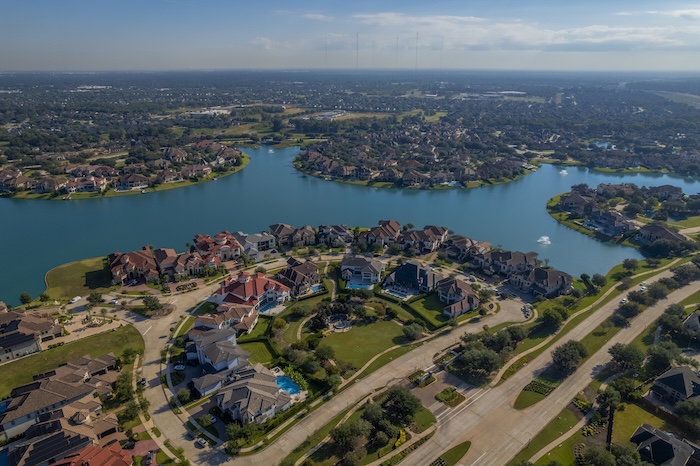
Something makes Fort Bend different from most communities like it, though: it is one of the most racially diverse suburbs in the nation, with Black, Latinx, Asian, and white residents each making up roughly one-quarter of the population. While broader society is turning against diversity, Fort Bend embraces it. Again and again, residents – old and young, Republican and Democrat, and from all racial groups – told me three things: Fort Bend is racially harmonious, it lacks racial inequality, and, for these reasons, it is superior to other communities. On the surface, these claims seem true. People are residentially and socially integrated, and many genuinely enjoy living in a diverse community.
After studying Fort Bend, though, I came to see its celebrated racial harmony as a façade covering a darker reality. The harmony has real benefits, but it is constructed through a local social contract that determines which racial realities can be acknowledged and which must remain hidden. Fort Bend has the same forms of racial inequality that permeate American society – discriminatory school discipline, unequal political representation, and whitewashed history – but these inequalities are obscured beneath the community’s dominant narratives.
These narratives and the terms that arise from them make up what I call the diversity contract. Under it, residents must recognize and praise the community’s diversity, but they cannot acknowledge racial inequality within it. Doing so is too costly. Racial tension could disrupt Fort Bend’s status as an exceptional, harmonious suburb, threatening residents’ economic and social investments. The contract’s terms differ across racial groups. For white residents, it forbids overt expressions of racism, which would disrupt claims of racial harmony and equality. For residents of color, it requires them to act, at least in public, as though their opportunities and outcomes are not impacted by racism.
The consequences are complex. The contract creates an everyday racial environment that is peaceful with little threat of overt racism. But it also obscures existing inequality and exacts an unequal cost from residents of color.
Fort Bend reveals a common mistake in how we think about race: we treat diversity, integration, harmony, and equity as though they are interchangeable. Despite claims from scholars and policymakers that diverse communities can solve America’s deeply rooted racial problems, Diversityland shows how white dominance can be maintained amid racial diversity—an increasingly important lesson for the nation as a whole.
Ongoing thread. More from Kiara Wyndham to follow.
Curator: Bora Pajo
Diversityland: Hiding Racial Inequality in an American Suburb
Wyndham, K. (2026). Diversityland: Hiding racial inequality in an American suburb. University of California Press.
Get the book →August 23, 2026
20260823-wyndham-diversityland-in-a-nutshell
In a nutshell
The rest of this thread

© Taylor Brown
Kiara Wyndham
Kiara Wyndham is an assistant professor of sociology at Washington University in St. Louis.
They study how American suburbs produce and sustain racial and class inequality. Their book, Diversityland, examines how local racial ideologies can maintain racial inequality amid racial diversity, while their broader research investigates how suburban institutions and policies shape segregation and inequality. They currently direct the St. Louis Zoning Atlas, which examines how local zoning contributes to racial and class segregation across the St. Louis region.
Know something the rest of us don't?
Most threads on Rorotoko begin with our invitation. Some begin with a proposal. Both use the same prompts and the same editing, with your own pages in the archive. Proposed threads carry a small Sponsored label and a fee.
Propose a thread →