
Sophie Mills
The Image of Classics and Classicists in Modern Fiction: Seducers, Slayers, and Survivors
From monopoly to royalty to option to cut: Classics is a discipline like no other.
A century or so ago in the United Kingdom, Classics dominated education and was the discipline first of the ruling, and then the middle classes. The United States, whose educational system considered practicality essential to the needs of a new nation from its inception, followed a slightly different path, but classical education still had a reasonable, share of the curriculum well into the 20th century, even if it was not the lion’s share as was true in 19th century Britain. In the 21st century, in many universities the discipline is fighting for its life.
We can trace the start of a major shift from classical dominance to vulnerability to the 1950s, as anxieties stimulated by the Cold War began to turn educators towards the sciences and away from humanities (among which Classics is the archetypal and oldest discipline). In the UK, the decline was exacerbated by the abolition of Latin for university entrance in 1960. Combined with the reputation of Latin, in particular, for unimaginative teaching, strictly dominated by grammar, and the association of this style and content of learning with the old, stale order that the 1960s was determined to root out, Classics became a minority discipline strikingly quickly. The decline was somewhat stabilized by the invention of newer ways to teach it, infusing the seductions of classical culture into the discipline and downplaying grammar, and the subject continues to fascinate a steady minority of students.
Especially in the last few years, however, as university budgets have become tighter and students are increasingly assuming significant debt for their education and looking for a subject to study that will give them secure returns on their investment rather than subjects whose fascination is undoubted but which lack a definite path to employment, universities have responded. The roll-call of shuttered programs, especially in the United States, in recent years, is sobering.
Paradoxically, however, as Classics has become increasingly rarer as an option in secondary and higher education, interest in classical culture more generally remains buoyant, as witnessed this summer by the spectacular success of Christopher Nolan’s movie on the Odyssey or the appeal of Madeline Miller’s novels, The Song of Achilles and Circe to young adults, while Classics often features in the popular genre of Dark Academia novels. Popular versions of classical material continue to enchant new audiences, even as its academic study is increasingly confined to fewer institutions.
And, perhaps because fewer and fewer people study it formally and know what it really is in the 21st century, the traditional image of the discipline – as a vehicle for the essence of elite Eurocentric culture, exclusiveness, and especially in the UK, with Oxford University – continues to remain in popular culture and to shape images of what Classics is, even though real life Classics departments try hard to remove the subject’s associations with social exclusivity. And so, because so few people know the realities of the discipline, writers of modern fiction find this strange, ancient, “posh” subject very good to imagine, even though what they imagine is often far more exciting, and even lurid, than the rather prosaic and sometimes dispiriting contemporary realities of learning and teaching Latin and Greek.
Ongoing thread. More from Sophie Mills to follow.
Curator: Bora Pajo
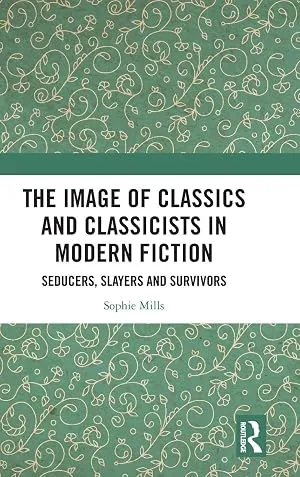
The Image of Classics and Classicists in Modern Fiction: Seducers, Slayers, and Survivors
Mills, S. (2026). The image of classics and classicists in modern fiction: Seducers, slayers, and survivors. Routledge.
Available here →November 11, 2026
20261111-mills-the-image-of-classics-and-classicists-in-modern-fiction-in-a-nutshell
In a nutshell
The rest of this thread
This is a proposed thread.

Sophie Mills
Sophie Mills is an award-winning teacher of Greek and Roman literature who has taught at UNC Asheville for over 30 years. She works on Greek tragedy, especially Euripides, Athenian imperialism, and has an abiding interest in classical reception – how literature 2700 years old continues to shape and be shaped by contemporary culture. Her most recent book is The Image of Classics and Classicists in Modern Fiction: Seducers, Slayers, and Survivors (Routledge, 2026).
Pull this thread
Modern fiction keeps alive an elitist image of Classics that real Classics departments have worked to leave behind.
More in Books
Know something the rest of us don't?
Most threads on Rorotoko begin with our invitation. Any thread can begin with a proposal: you write it with the same prompts every thread answers, and we review it.
Propose a thread →